Frustrated With Your NIPSCO Bill? Smart Exterior Home Improvements Can Help Reduce Energy Loss
If you’ve opened your NIPSCO bill lately and felt your stomach drop, you’re not alone. Across Northwest Indiana, homeowners are dealing with utility bills that have increased dramatically compared to last year. The frustration is real. Thousands of people locally have joined online discussions demanding answers, and rising energy costs have become one of the biggest talking points this winter.
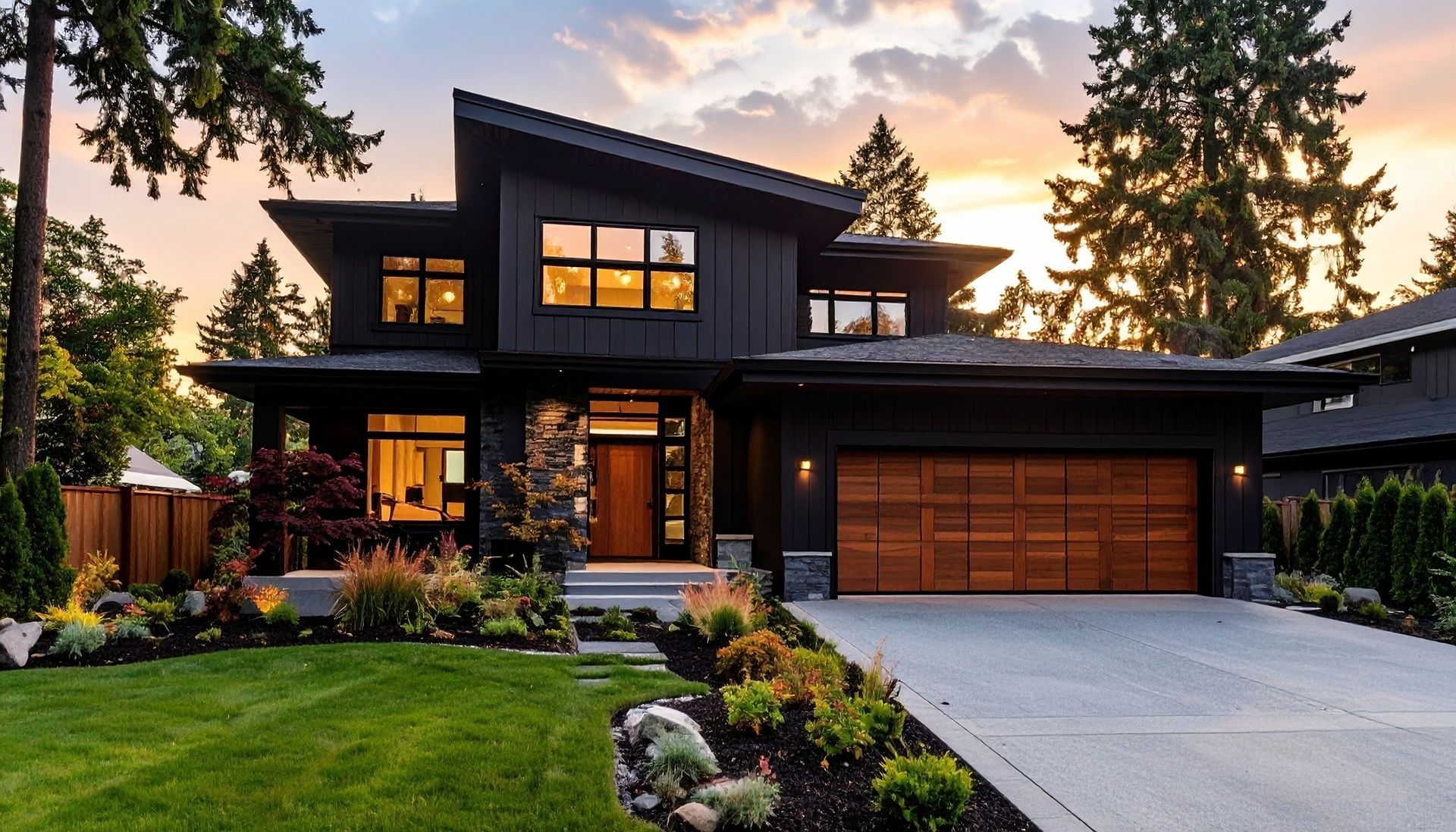
While we can’t control what NIPSCO charges, we can control how much energy our homes waste. And here’s something many homeowners don’t realize: your roof, siding, and windows play a much bigger role in your energy bills than you might think.
Why Your Home’s Exterior Matters for Energy Costs
Think of your home’s exterior as a protective envelope. When that envelope has gaps, cracks, or worn-out components, your furnace has to work overtime to maintain a comfortable temperature inside. That leads to higher energy usage, increased delivery charges, and bigger bills arriving every month.
The good news is that addressing these issues can make a real difference in how hard your heating and cooling systems have to work. Improving your home’s exterior efficiency helps reduce unnecessary energy loss and improves overall comfort.
Here are some of the most common problem areas we see in Northwest Indiana homes.
1. Old or Drafty Windows Are Energy Killers
If your windows are original to your home or more than 15 to 20 years old, they are often one of the biggest sources of energy loss. Single-pane windows, failed seals, and worn weatherstripping allow cold air to seep in while heated air escapes. You may notice drafts near your windows, frost forming on the inside of the glass, or rooms that never seem to stay warm.
Modern replacement windows are designed with double or triple-pane glass, low-E coatings that reflect heat back into your home, and tight seals that significantly reduce drafts. Many homeowners notice the difference almost immediately, both in comfort and in how frequently their furnace runs.
When we install replacement windows, we focus on more than just the glass. Proper flashing and air sealing around the entire window frame are critical for addressing hidden gaps that contribute to energy loss.
2. Your Siding Does More Than Improve Curb Appeal
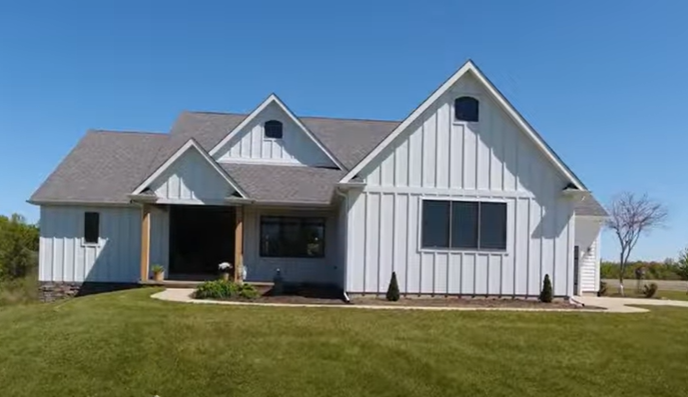
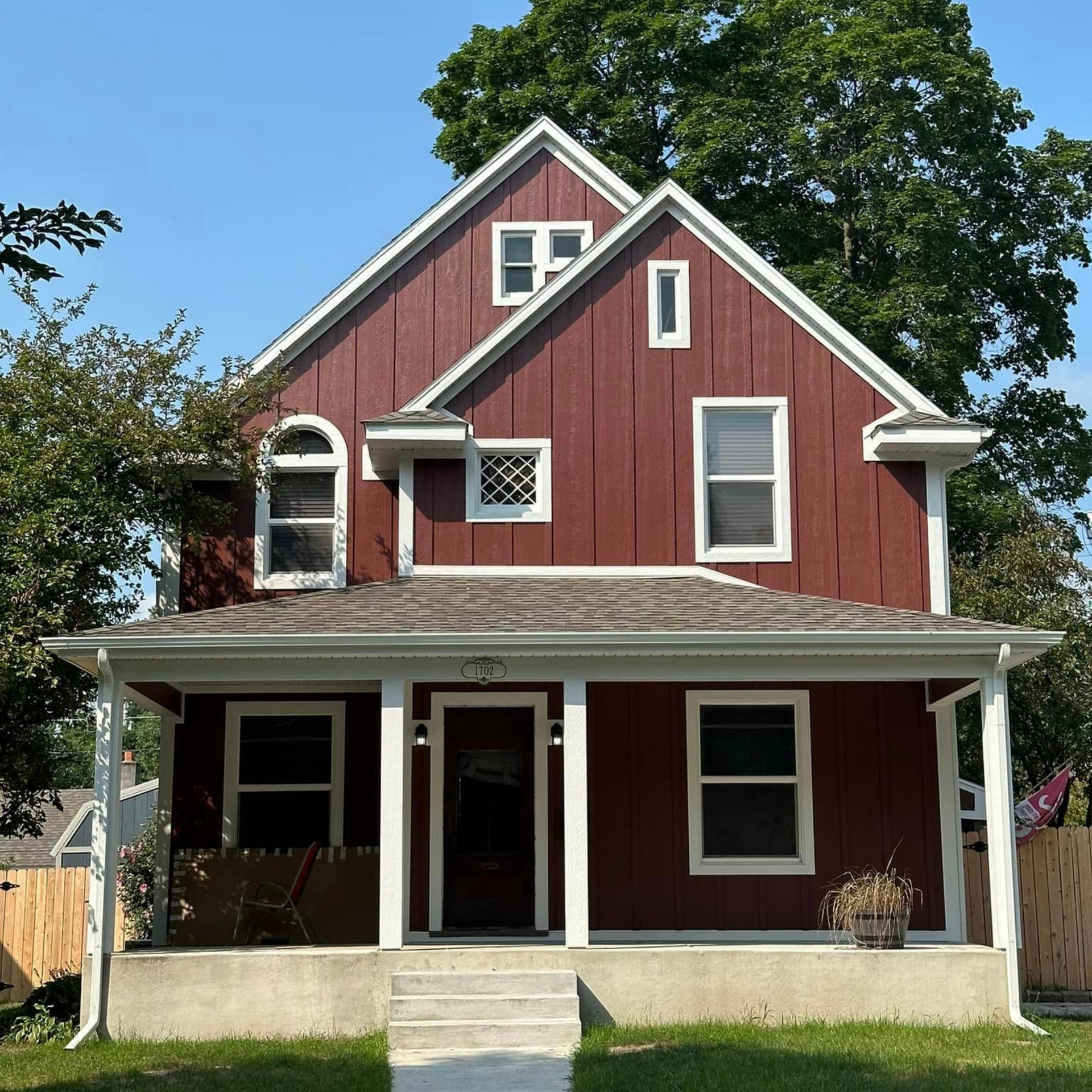
Siding plays a major role in your home’s energy efficiency. Old, cracked, or warping siding allows air infiltration through your walls, reducing the effectiveness of your insulation. When that happens, you are essentially paying to heat the outdoors.
Today’s siding options, including LP SmartSide and James Hardie fiber cement, offer significantly better protection than products installed 10 to 15 years ago. Many premium siding systems include foam backing that adds real insulation value. When combined with proper house wrap installation, new siding helps create a tighter building envelope that keeps conditioned air inside where it belongs.
We often hear from homeowners who notice improved comfort within days of installing new siding, especially in rooms that were previously difficult to heat.
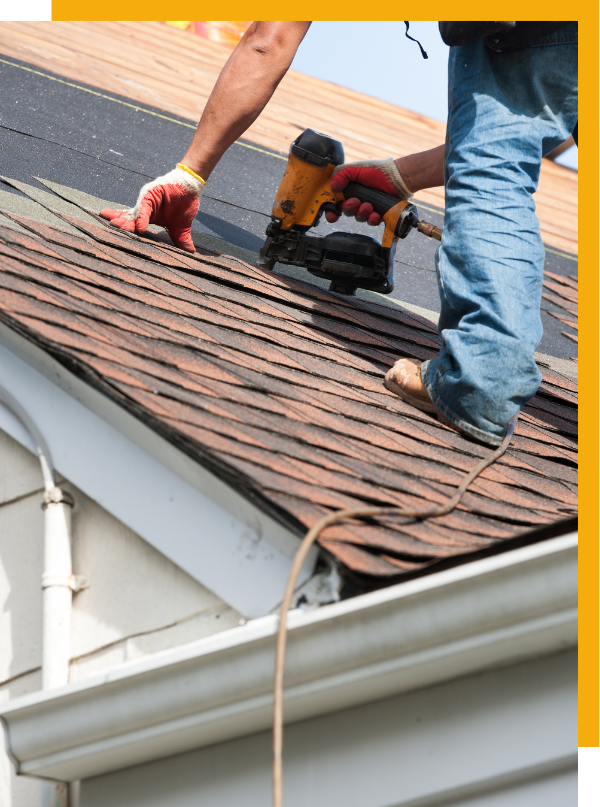
3. Your Roof Plays a Bigger Role Than You Might Expect
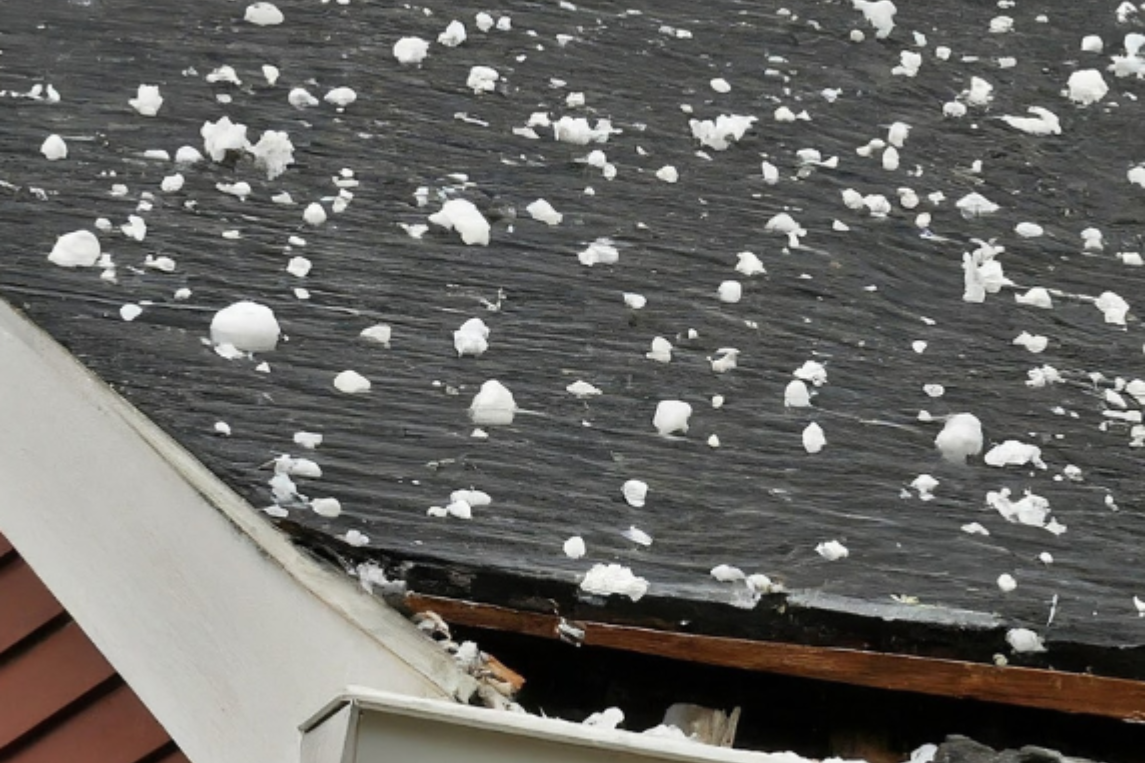
Roofing is not always the first thing people think about when it comes to energy efficiency, but it plays an important role in temperature and moisture control.
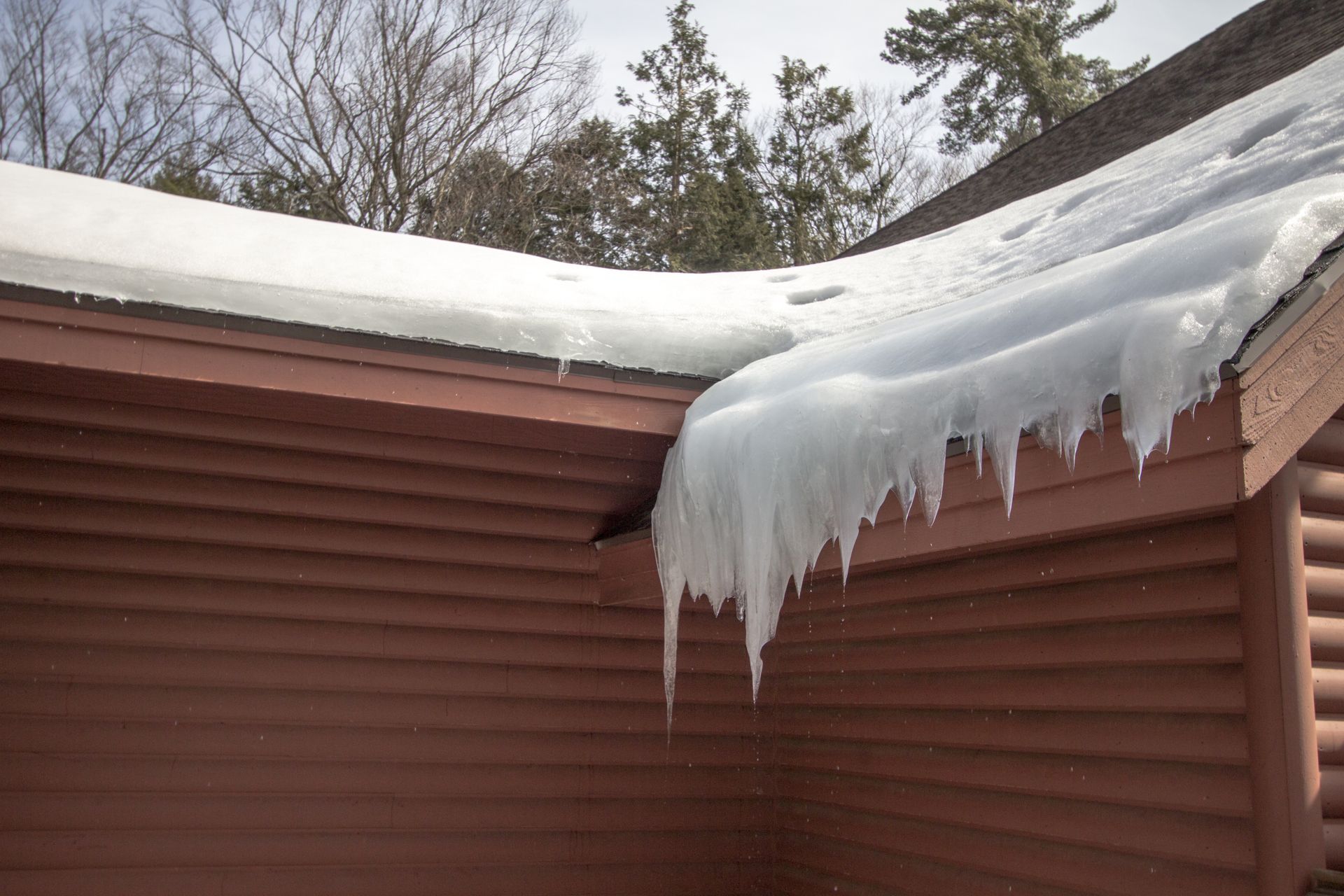
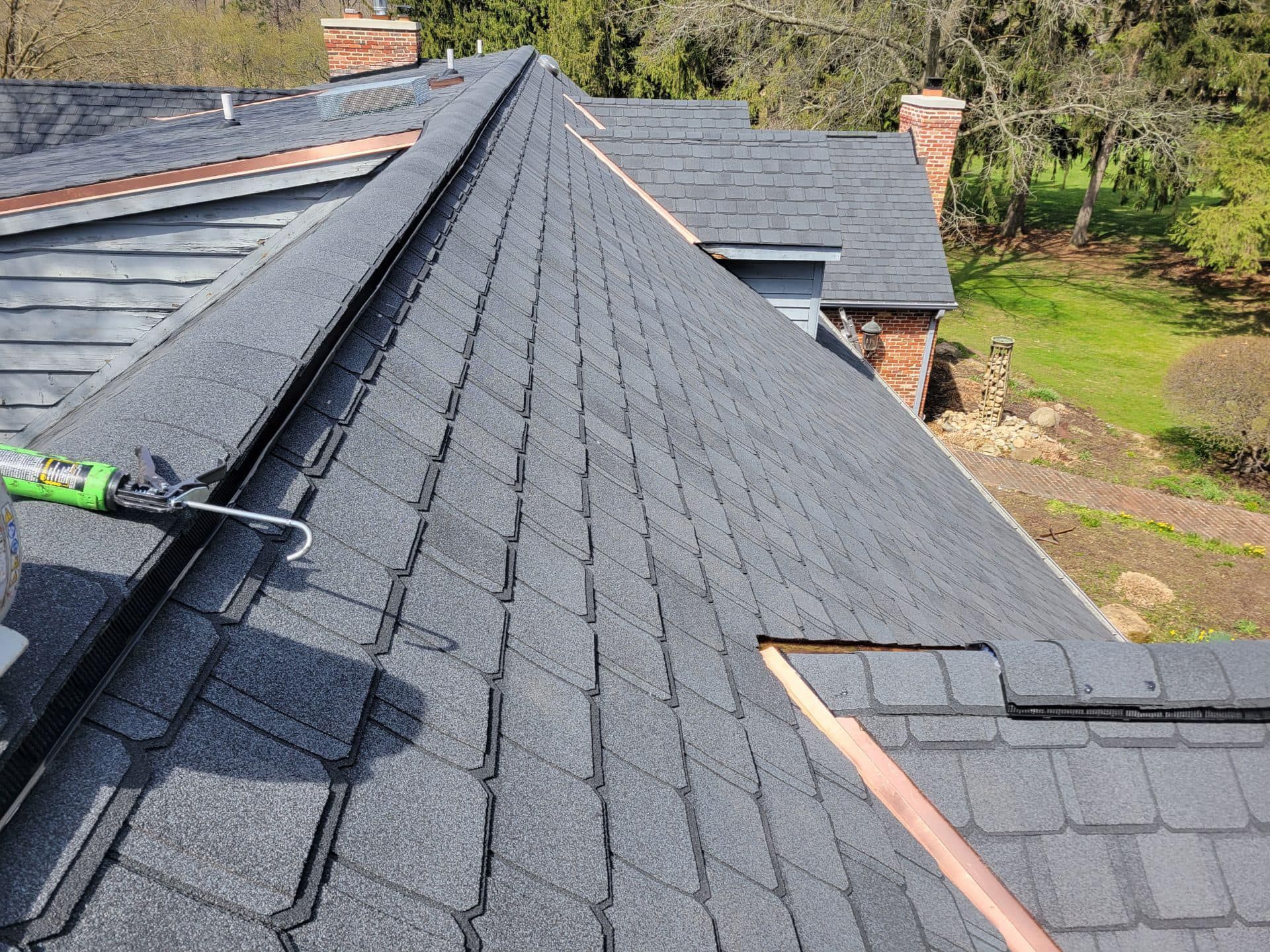
Proper attic ventilation is key. Ridge vents and soffit vents allow consistent airflow, helping prevent heat buildup in the summer and moisture buildup in the winter. When insulation becomes damp, it loses effectiveness, and trapped moisture can lead to ice dams along the roof edge.
Ice dams are a sign that warm air is escaping from your living space into the attic, melting snow on the roof and refreezing at the eaves. A properly ventilated roof, combined with adequate attic insulation, helps keep warm air inside your home where it belongs.
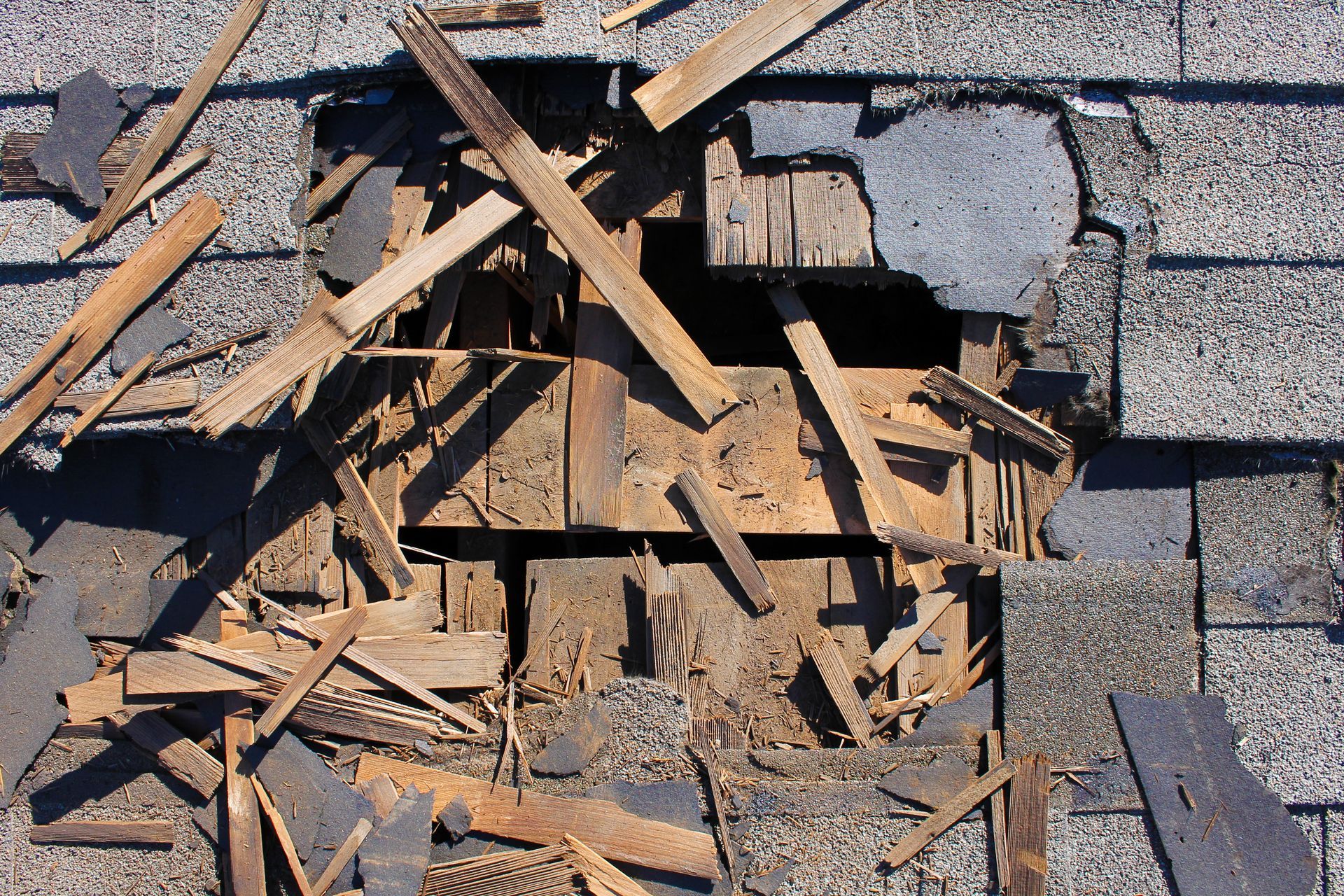
An aging or damaged roof can also allow air infiltration around flashing, vents, and deteriorating materials, undermining the performance of your attic insulation.
4. Don’t Overlook the Importance of Gutters
Gutters may not seem directly related to energy efficiency, but they play a supporting role. When gutters are clogged, damaged, or improperly pitched, water can back up and contribute to ice dam formation. Over time, this can lead to water intrusion that compromises insulation in your attic or walls.
Properly functioning gutters with adequate downspouts help direct water away from your home and reduce the freeze-thaw cycles that are common during Northwest Indiana winters.
A Realistic Perspective on Energy Savings
We want to be clear and honest. Replacing windows, siding, or roofing will not eliminate your utility bill or cut it in half overnight. Energy efficiency improvements work best as part of a whole-home approach that also includes your HVAC system, attic insulation, and air sealing.
That said, addressing your home’s exterior, especially if you have older windows, worn siding, or a roof that is past its prime, can make a meaningful difference in how hard your heating system works and how comfortable your home feels. Many homeowners notice improvements in both comfort and long-term energy usage after making these upgrades.
We've Been Here for 40 Years - We're Not Going Anywhere
R.L. Roofing has been serving Northwest Indiana and Southwest Michigan since 1985. We're not a company that showed up after a storm and will disappear next year. We're your neighbors, and we understand the frustration that comes with rising costs and feeling like you have no control.
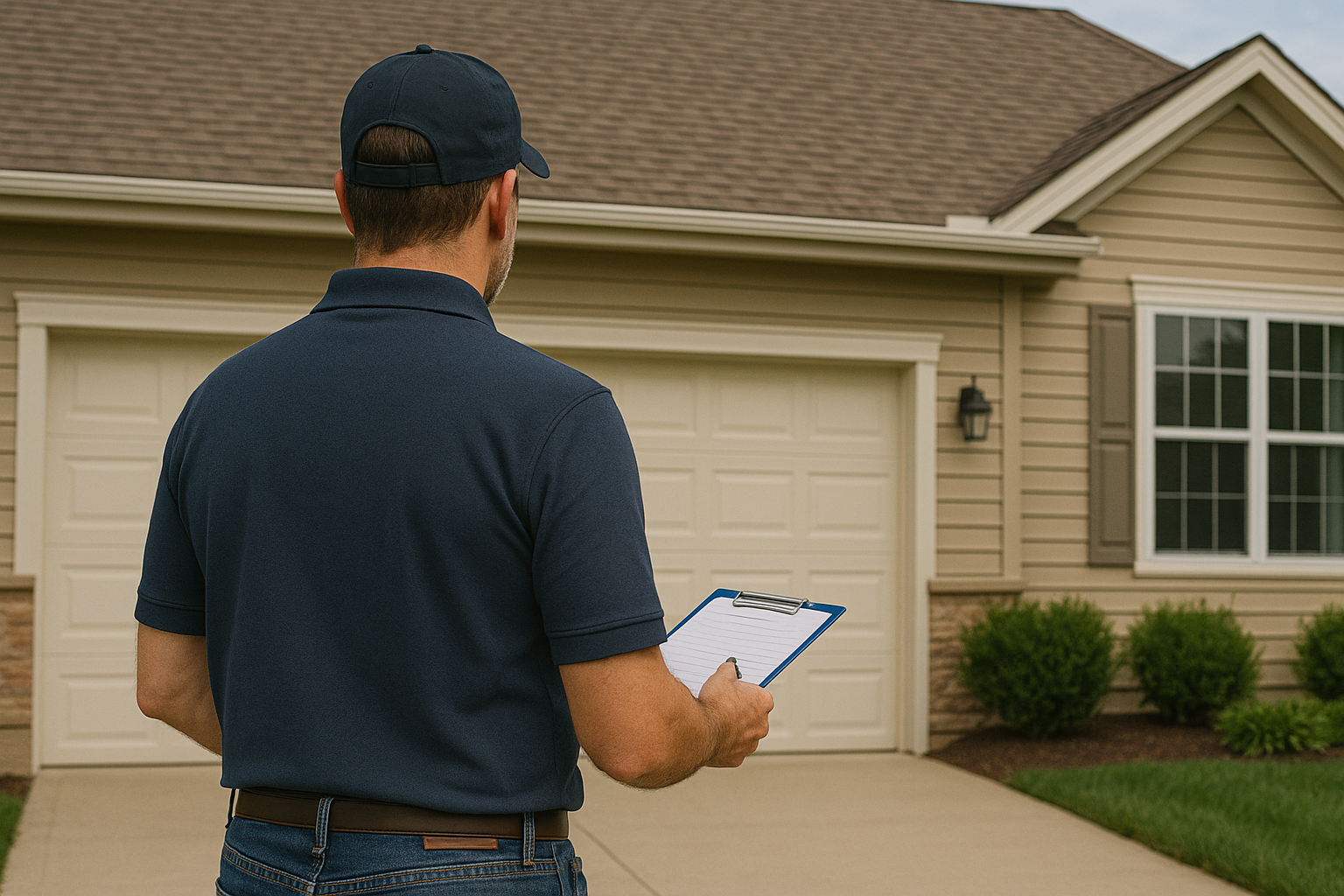
If you're wondering whether your roof, siding, or windows might be contributing to your energy costs, we're happy to take a look. We offer free estimates with honest assessments - if your exterior is in good shape, we'll tell you. If there are issues worth addressing, we'll explain your options without any pressure.
Give us a call at 219-872-8281 or request a callback online . We'd be glad to help you figure out if your home's exterior is working for you or against you.
Can exterior home improvements really help with high utility bills?
Exterior home improvements can help reduce energy loss by improving how well your home retains heated or cooled air. While they can’t control utility rates, upgrades to roofing, siding, windows, and ventilation can help your HVAC system run more efficiently.
What exterior improvements make the biggest difference?
This varies by home, but common areas that contribute to energy loss include older windows, worn siding, poor attic ventilation, and aging roofing materials. A professional evaluation can help identify which improvements may have the most impact for your specific home.
Will replacing windows immediately lower my energy bills?
Many homeowners notice improved comfort right away after installing replacement windows. While energy savings vary, modern windows are designed to reduce drafts and heat transfer, which can help lower overall energy usage over time.
Does roofing really affect energy efficiency?
Yes. Proper roofing and attic ventilation help regulate temperature and moisture levels in your home. A poorly ventilated or aging roof can allow heat to escape in winter and build up in summer, making heating and cooling systems work harder.
Do I need to replace everything at once?
Not necessarily. Many homeowners choose to address energy-related issues in phases. An evaluation can help prioritize improvements so you can make informed decisions over time based on budget and need.
What is the first step if I’m concerned about energy loss?
A great first step is to have the professionals at R.L. Roofing take a look at your home’s exterior. Our team can evaluate your roof, attic ventilation, siding, windows, and gutters to help identify areas where energy may be escaping or where moisture and airflow issues could be affecting your home’s efficiency. From there, we can recommend practical options based on your home’s condition, your goals, and your budget. Reach out to us online to schedule an estimate.