How to Protect Your Northwest Indiana Roof from Ice Dams This Winter
Ice dams are one of the most destructive winter problems facing homeowners in Northwest Indiana and Southwest Michigan. When snow melts on your roof and refreezes at the eaves, it creates a barrier that traps water—water that can seep under shingles, leak into your attic, damage insulation, and cause thousands of dollars in repairs.
The good news? Ice dams are largely preventable when you understand what causes them and take proactive steps to protect your home. In this guide, we'll walk you through everything you need to know about ice dam prevention for homes in Michigan City, La Porte, Valparaiso, and surrounding communities.
What Are Ice Dams and How Do They Form?
An ice dam is a ridge of ice that forms at the edge of your roof, preventing melting snow from draining properly. Here's how the cycle works in Northwest Indiana homes:
Heat from your living spaces rises into your attic. If your attic isn't properly insulated or ventilated, this warmth transfers to your roof deck. The heated roof deck melts the bottom layer of snow on your roof, even when outdoor temperatures are below freezing. This meltwater runs down the roof until it reaches the cold overhang at your eaves, where it refreezes.
Over several freeze-thaw cycles—which are extremely common in our region during winter—this ice builds up into a dam. Water trapped behind the dam has nowhere to go, so it backs up under your shingles and finds its way into your home through even the tiniest openings.
The result? Water stains on ceilings and walls, damaged drywall, ruined insulation, mold growth, and in severe cases, structural damage to roof decking and support beams. We've seen ice dams cause damage exceeding $10,000 to homes throughout La Porte County and Porter County.
Why Ice Dams Are Common in Northwest Indiana
Our region's winter weather creates perfect conditions for ice dam formation. We experience:
Frequent freeze-thaw cycles: Temperatures regularly fluctuate above and below freezing throughout winter, creating ideal conditions for the melting and refreezing that causes ice dams. A warm day followed by a cold night is all it takes to start the process.
Heavy snow accumulation: Lake effect snow from Lake Michigan can dump significant amounts on roofs in communities like Long Beach, Trail Creek, and Duneland Beach. The more snow on your roof, the more potential for meltwater—and ice dams.
Older homes with inadequate insulation: Many homes built before modern energy codes lack sufficient attic insulation. This allows excessive heat loss from living spaces into the attic, warming the roof deck and triggering the melt-freeze cycle.
Warning Signs of Ice Dam Formation
Catching ice dams early can prevent serious damage. Watch for these warning signs on your Northwest Indiana roof:
Icicles along your gutters and eaves: A few small icicles are normal, but large icicles or ice sheets hanging from your roof edge indicate water is freezing at the eaves—the first stage of ice dam development.
Ice buildup visible from the ground: If you can see a ridge of ice forming at your roof's edge, an ice dam is already developing. The thicker this ridge becomes, the more water it can trap.
Water stains on exterior walls or soffits: Discoloration on the outside of your home near the roofline suggests water is backing up and finding escape routes.
Interior ceiling or wall stains: By the time you see water damage inside your home, the ice dam has already caused significant problems. Water stains, damp spots, or peeling paint near exterior walls should prompt immediate action.
Sagging gutters: The weight of ice can pull gutters away from your house or cause them to sag and eventually fail.
How to Prevent Ice Dams on Your Roof
Prevention is far more cost-effective than dealing with ice dam damage. Here are the most effective strategies for Northwest Indiana homes:
1. Improve Attic Insulation
Proper insulation is your first line of defense against ice dams. Your attic floor should have adequate insulation—at least R-38 for our climate, though R-49 is even better. This insulation keeps heat in your living spaces where it belongs, rather than allowing it to escape into the attic and warm your roof deck.
Pay special attention to areas where insulation is often insufficient: the edges of your attic where the roof meets exterior walls, around attic hatches and pull-down stairs, and near recessed lighting fixtures. These are common weak spots that allow heat to escape.
2. Ensure Proper Attic Ventilation
Even with good insulation, some heat will reach your attic. Proper ventilation removes this heat before it can warm the roof deck. Your attic needs balanced ventilation—intake vents at the soffits and exhaust vents at or near the roof peak.
This creates airflow that keeps your attic temperature close to the outside temperature, preventing the warm roof deck that causes snow melt. Many homes in our area have blocked soffit vents from insulation that was pushed too far out, or they lack adequate ridge ventilation. Both problems reduce airflow and increase ice dam risk.
3. Seal Air Leaks
Air leaks are often the biggest culprits in ice dam formation. Warm air can bypass insulation through gaps around: plumbing stacks and vent pipes, electrical wiring penetrations, chimney chases, recessed lights, attic hatches, and wall top plates.
Sealing these leaks prevents warm air from entering the attic in the first place. This is often more important than adding insulation, because moving air carries far more heat than still air conducts through insulation.
4. Keep Gutters and Downspouts Clear
While clogged gutters don't cause ice dams, they can worsen the problem. Clean gutters allow meltwater to drain away before it freezes. Remove leaves, debris, and any ice buildup throughout the winter season. Make sure downspouts are clear and directing water away from your foundation.
5. Remove Snow from Your Roof
Less snow on your roof means less potential for ice dam formation. After heavy snowfalls, consider using a roof rake to remove snow from the lower three to four feet of your roof while standing safely on the ground. Never get on your roof in winter—it's dangerous and can cause more damage than the ice dam itself.
Focus on the area most prone to ice dams: the first several feet from the eaves. You don't need to remove all the snow—just reducing the load near the eaves can significantly decrease ice dam risk.
What to Do If You Already Have an Ice Dam
If you discover an ice dam forming or see water damage inside your home, act quickly:
For immediate leaks: If water is actively leaking into your home, carefully remove snow from the affected area of your roof if you can do so safely from the ground with a roof rake. Place buckets to catch dripping water and move furniture and valuables away from the leak.
Create drainage channels: In an emergency, you can carefully chip channels through the ice dam to allow trapped water to drain. Work from the bottom edge upward, being extremely careful not to damage your shingles.
Call professionals: For significant ice dams, contact R.L. Roofing for safe, professional removal. We use specialized equipment and techniques that won't damage your roofing materials. Attempting to remove large ice dams yourself can be dangerous and may cause more harm to your roof.
Document the damage: Take photos of the ice dam and any interior damage for insurance purposes. Many homeowners insurance policies cover ice dam damage, though coverage varies.
Long-Term Solutions: Professional Roof Installation That Prevents Ice Dams
If you're planning a roof replacement, proper installation techniques can dramatically reduce ice dam risk:
Ice and water shield: This self-adhering membrane is installed under shingles at vulnerable areas—eaves, valleys, and around penetrations. It creates a waterproof barrier that protects your home even if water backs up under shingles. Building codes require it in our climate zone, but the quality and extent of installation varies.
Proper underlayment: Quality underlayment provides an additional layer of protection against water infiltration.
Adequate drip edge: Properly installed drip edge helps water drain away from fascia boards and into gutters, reducing ice formation at the roof edge.
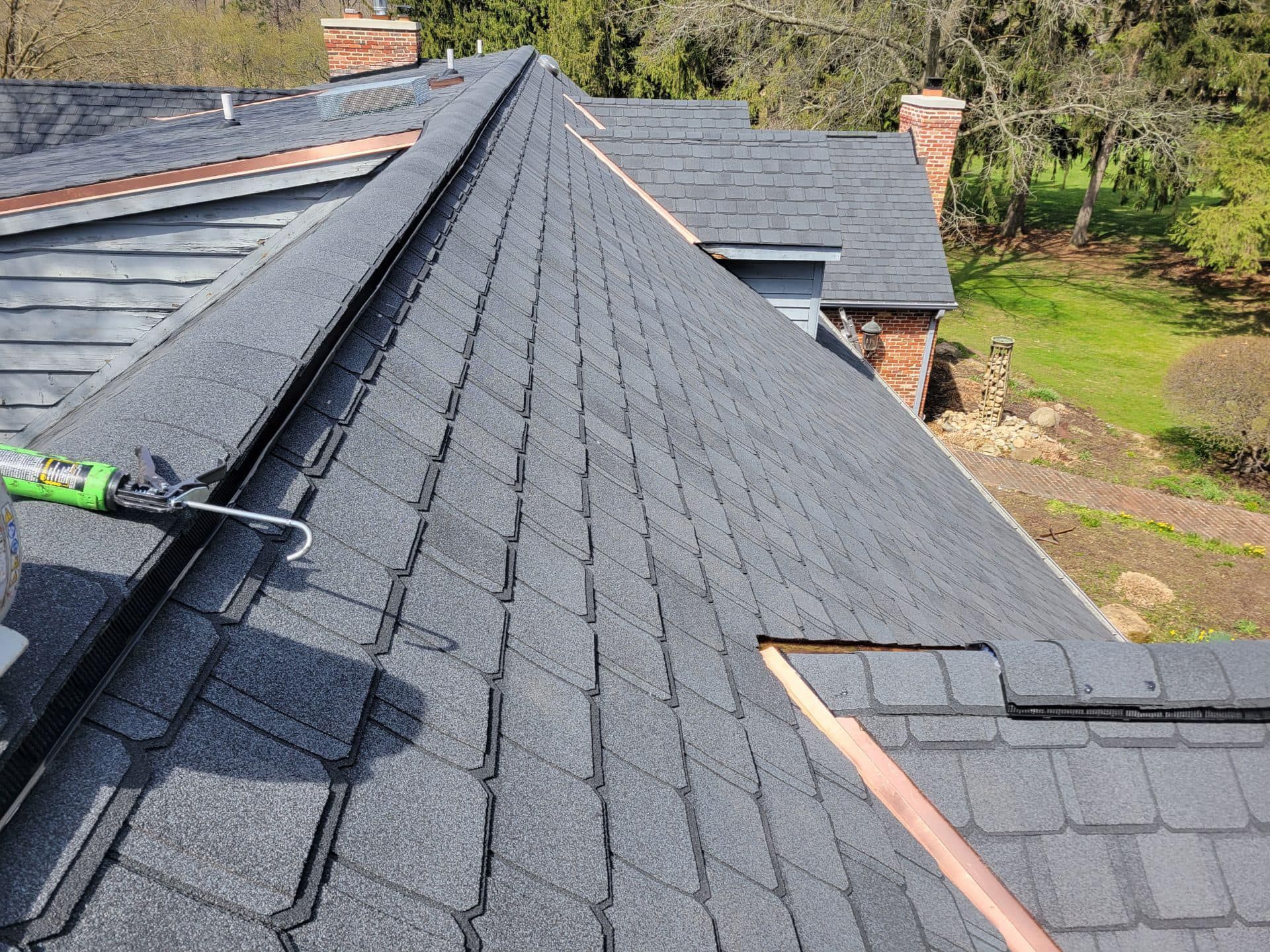
Strategic ventilation design: Professional installers plan ventilation systems that work with your home's specific design, ensuring adequate airflow without creating new problems.
At R.L. Roofing, we've been installing roofs throughout Northwest Indiana and Southwest Michigan since 1985. We understand the unique challenges our climate presents and build every roof with ice dam prevention in mind. Our installations include proper ice and water shield application, quality materials rated for our weather conditions, and ventilation systems designed for your home's specific needs.
The Cost of Prevention vs. Repair
Prevention is always more affordable than dealing with ice dam damage. Here's a realistic comparison:
Adding attic insulation might cost $1,500 to $3,000 for an average home. Improving ventilation could run $800 to $2,000. These are one-time investments that also lower your heating bills and extend your roof's lifespan.
By contrast, repairing ice dam damage typically costs $2,000 to $10,000 or more, depending on the extent of water intrusion. This includes roof repairs, water damage restoration, insulation replacement, drywall repair and painting, and mold remediation if needed. And that's assuming your insurance covers it—many policies have deductibles or exclusions that leave you paying significant out-of-pocket costs.
Why Choose R.L. Roofing for Ice Dam Prevention
With over 40 years serving Michigan City, La Porte, Valparaiso, and surrounding communities, we understand exactly what Northwest Indiana roofs need to withstand our winters. We're not storm chasers who disappear after the next weather event—we're your neighbors, and we'll be here when you need us.
Our team provides honest assessments of your ice dam risk, professional solutions tailored to your home's specific needs, quality installations that meet or exceed building codes, and comprehensive warranties backed by our local reputation. We handle everything from emergency ice dam removal to preventive upgrades that protect your home for decades.
Take Action Before the Next Storm
Don't wait for ice dams to damage your home. The best time to address ice dam prevention is before winter arrives—but it's never too late to make improvements that protect your property.
Contact R.L. Roofing today at 219-872-8281 or request a call back for a free assessment of your home's ice dam risk. We'll inspect your attic insulation and ventilation, evaluate your roof's condition, identify potential problem areas, and recommend cost-effective solutions that fit your budget.
We serve homeowners throughout Northwest Indiana and Southwest Michigan, including Michigan City, La Porte, Valparaiso, Chesterton, Portage, and all surrounding communities. Let our four decades of local experience protect your home this winter.