Dark Siding Colors: Bold Design Trends for 2026 Northwest Indiana Homes
Walk through any neighborhood in Northwest Indiana today and you'll notice something different. The sea of beige, tan, and light gray siding that dominated for decades is giving way to something bolder. Dark siding colors—deep charcoals, rich navy blues, forest greens, and even true black—are transforming home exteriors across Michigan City, La Porte, Valparaiso, and surrounding communities.
This isn't just a fleeting trend. Dark siding represents a fundamental shift in how homeowners think about curb appeal, resale value, and personal expression. But before you jump on the dark siding bandwagon, there are important considerations specific to our Northwest Indiana climate and architecture that you need to understand.
At R.L. Roofing, we've been installing siding in the region since 1985. Over four decades, we've seen trends come and go, but the current move toward dark siding colors is different—it's backed by better materials, improved technology, and genuine design advantages. Here's what you need to know if you're considering dark siding for your home.
Why Dark Siding Is Having Its Moment
The surge in dark siding popularity isn't random. Several factors have converged to make darker colors not just fashionable, but practical and appealing for homeowners across income levels and home styles.
Modern dark siding materials are engineered differently than older products. Advanced fade-resistant pigments, UV-protective coatings, and heat-reflective technology mean that today's dark siding doesn't fade to purple or warp in the sun like older dark materials did. Products like LP SmartSide in darker finishes maintain their color integrity far better than materials from even ten years ago.
Dark colors also hide dirt, pollen, and minor imperfections better than light colors. In Northwest Indiana, where we deal with lake effect weather patterns, road salt residue in winter, and agricultural dust in rural areas, dark siding stays looking cleaner between washings. Homeowners in Michigan City near the lake or La Porte appreciate this practical advantage.
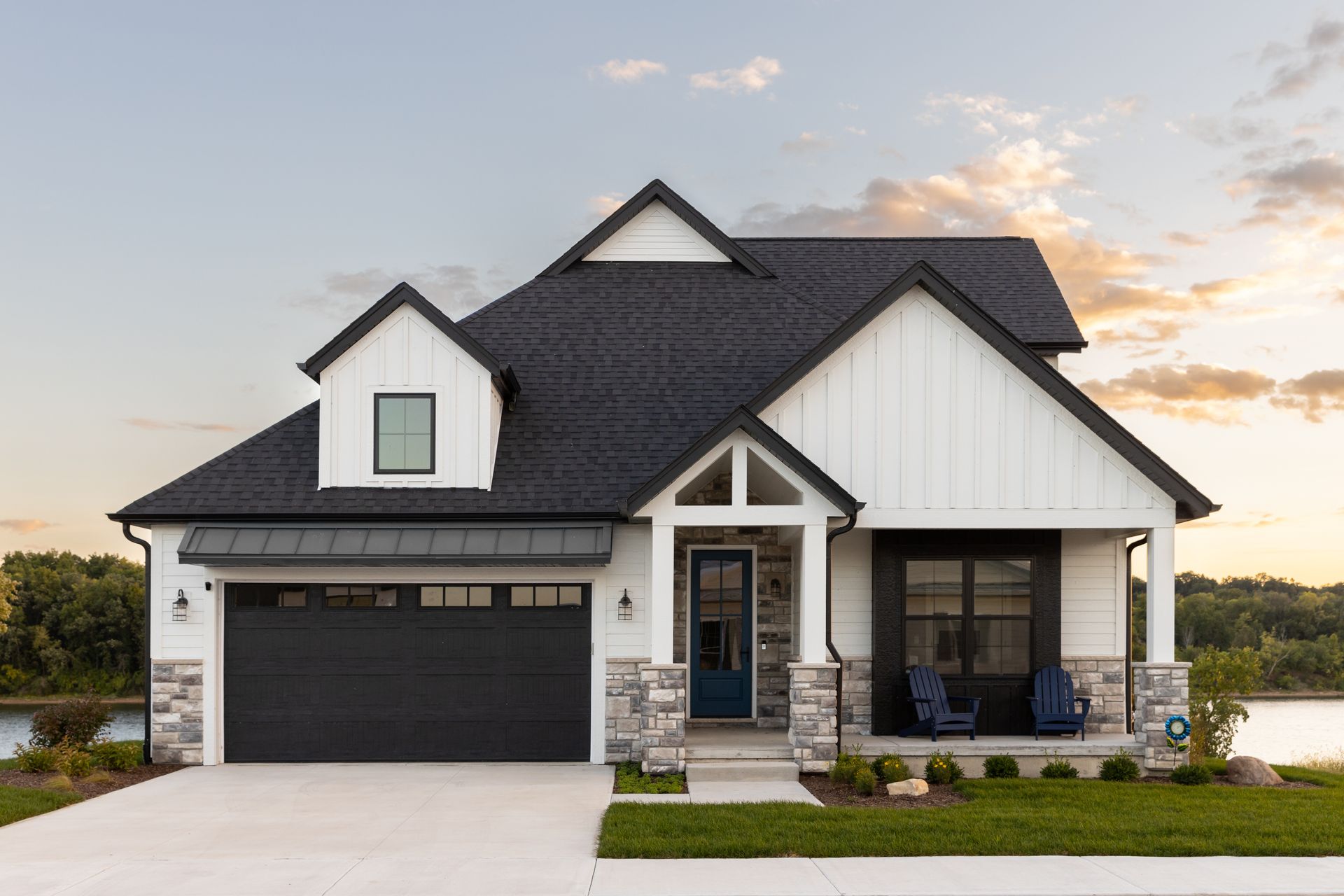
There's also the simple fact that dark siding makes a strong architectural statement. It adds depth and dimension to a home's exterior in ways that light colors can't match. The contrast between dark siding and light trim creates crisp, clean lines that photograph beautifully and command attention from the street.
Popular Dark Siding Colors for 2026
Not all dark colors work equally well in every setting. Here are the dark siding colors we're seeing most often in Northwest Indiana installations, and why they work:
Charcoal and Dark Gray: This is the gateway dark color—bold enough to make a statement but neutral enough to work with almost any architectural style. Charcoal pairs beautifully with white trim for crisp contrast, or with natural wood accents for a more organic modern look. It works on everything from traditional colonials to contemporary designs.
Navy Blue: Navy has emerged as a sophisticated alternative to black. It reads as very dark from a distance but reveals its blue undertones in direct sunlight. Navy works particularly well on homes with historical character or coastal influence—which makes sense for homes near Lake Michigan. It pairs exceptionally well with white, cream, or even brass-toned accents.
Forest Green and Dark Sage: These colors are perfect for homes surrounded by trees or natural settings. Dark greens blend beautifully with landscape while still providing strong curb appeal. We see these colors frequently in more rural areas around Valparaiso and South Bend where homes are nestled among mature trees.
True Black: This is the boldest choice and definitely not for everyone. Black siding creates maximum drama and works best on modern or contemporary homes with strong architectural features. It requires careful planning for trim colors, roofing choices, and landscape design. When done well, black siding is stunning. When done poorly, it can look harsh or out of place.
Deep Brown and Espresso: These warm dark tones work beautifully with brick accents, stone foundations, and traditional architecture. They're less stark than black or charcoal but still provide the depth and richness that homeowners are seeking in dark siding.
Important Considerations for Dark Siding in Northwest Indiana
Before you commit to dark siding, there are several factors specific to our region that you need to think through carefully.
Heat absorption is the first concern most people raise about dark siding, and it's a legitimate consideration. Dark colors absorb more heat than light colors—that's basic physics. However, modern siding materials are engineered with this in mind. Quality products include reflective coatings that bounce back a significant portion of solar heat. The temperature difference between dark and light siding is far less dramatic than most people assume.
That said, if you have large sections of siding in direct southern or western sun exposure, especially on second stories, you'll want to discuss material choices carefully with your contractor. Some siding products handle heat better than others, and proper installation with adequate ventilation behind the siding makes a big difference.
Fading is another consideration, though less of an issue than it used to be. All exterior colors fade over time with UV exposure—even light colors. The key is choosing quality materials with fade-resistant pigments and UV-protective coatings. LP SmartSide, fiber cement products like James Hardie, and premium vinyl siding options all offer excellent color retention in darker shades. We typically see minimal fading over the first 10-15 years with quality products properly installed.
Neighborhood context matters more with dark siding than with neutral tones. If every home on your street is light-colored, your dark-sided home will stand out—which might be exactly what you want, or it might feel too bold once it's done. Drive around neighborhoods you like and notice how dark-sided homes feel in context. Do they look sophisticated and modern, or do they feel out of place?
Architectural style is crucial. Dark siding tends to work best on homes with strong architectural features—defined rooflines, interesting trim details, varied textures. On a very plain, boxy home, dark siding can emphasize the lack of architectural interest rather than hiding it. Your siding contractor should be able to honestly assess whether your home's architecture will support dark colors well.
Trim and Accent Colors That Work with Dark Siding
Dark siding is only half the equation. Your trim color choices make or break the overall look.
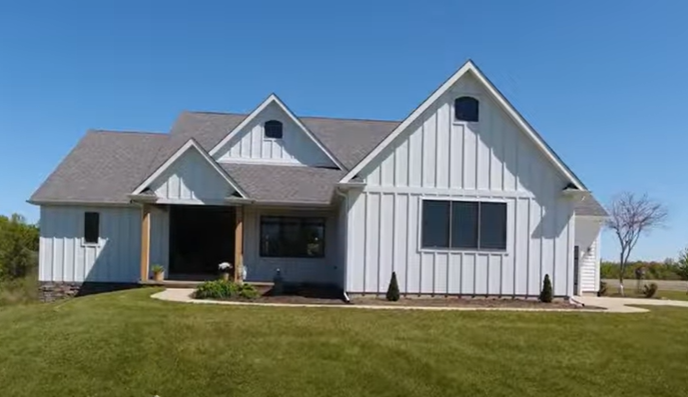
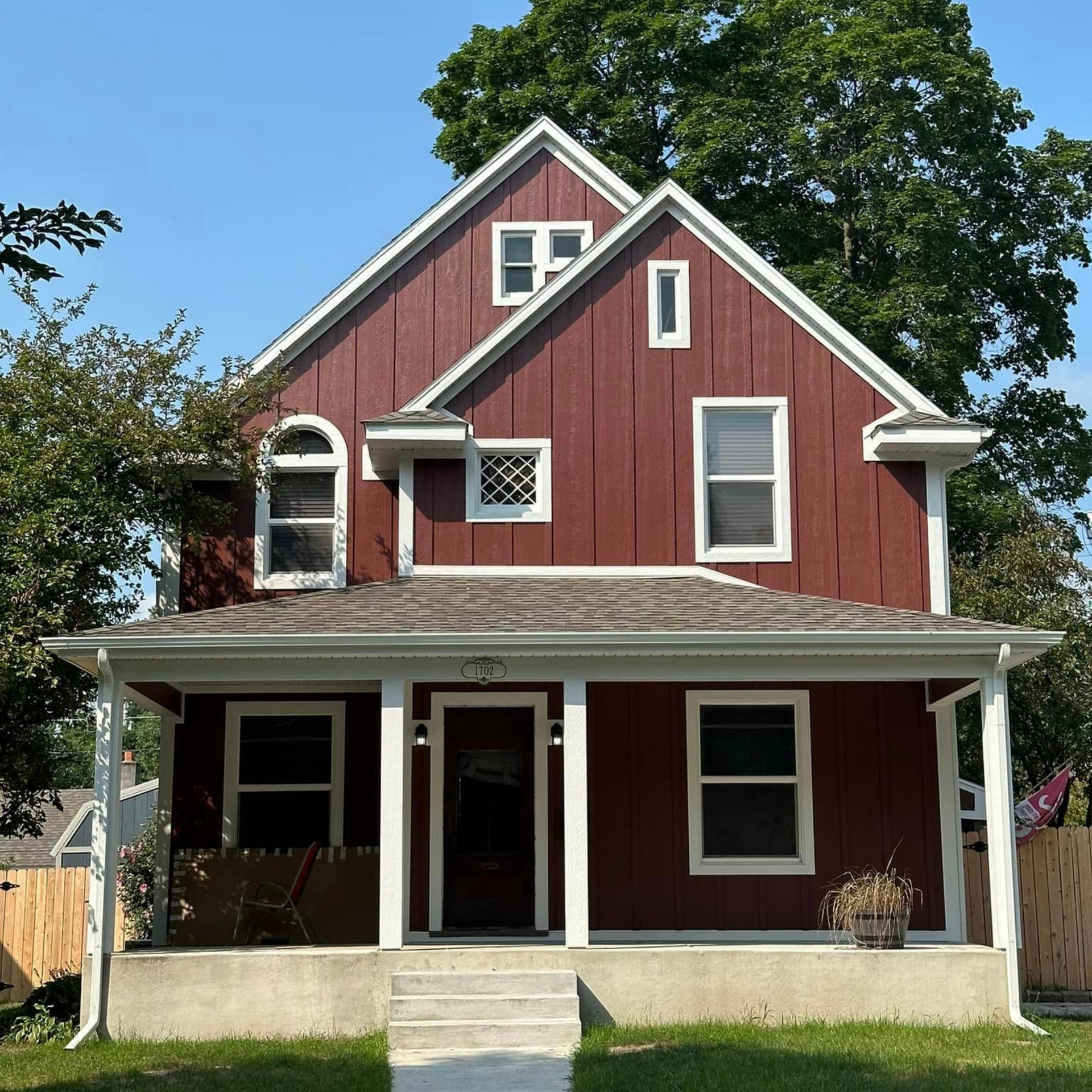
White trim remains the most popular choice with dark siding, and for good reason. Crisp white trim against charcoal, navy, or black siding creates maximum contrast and makes architectural details pop. It's a classic combination that works across all home styles.
Off-white and cream tones soften the contrast slightly while still providing definition. These work particularly well on traditional or historical homes where stark white might feel too modern. They're also more forgiving if you're concerned about maintenance—dirt and weathering show less on cream than pure white.
Black or dark trim creates a monochromatic look that's very modern and architectural. This approach works best on contemporary homes with strong geometric shapes. It's bold and not for everyone, but when executed well, it's striking.
Natural wood accents provide warmth against dark siding. Cedar beams, timber posts, or wood garage doors in natural or stained finishes create beautiful contrast with dark backgrounds. This combination works especially well on craftsman or contemporary rustic styles.
Coordinating Dark Siding with Your Roof
Your roofing color needs to work with your siding choice, and dark siding opens up some interesting possibilities.
A dark roof with dark siding creates a cohesive, unified look that makes your home feel substantial and grounded. This works particularly well on larger homes or homes with complex rooflines. Charcoal or black asphalt shingles pair beautifully with dark gray or navy siding.
A lighter roof with dark siding creates contrast and can make your home feel more balanced, especially if you have a large roof area relative to wall space. Medium gray or weathered wood-tone shingles work well with very dark siding colors like black or deep charcoal.
Metal roofing in dark bronze, charcoal, or black is an increasingly popular choice with dark siding. The combination feels modern and cohesive. If you're considering both new siding and a roof replacement , coordinating these projects lets you design the exterior as a unified whole.
Material Choices for Dark Siding
Not all siding materials perform equally well in dark colors. Here's what we recommend based on decades of installation experience in Northwest Indiana.
LP SmartSide is our top recommendation for dark colors in this region. It's an engineered wood product that takes paint exceptionally well, maintains color integrity, resists moisture and insects, and performs reliably in our freeze-thaw cycles. The factory-applied finish on LP SmartSide in dark colors includes UV-resistant primers and topcoats that hold up better than field-applied paint.
Fiber cement siding like James Hardie is another excellent choice for dark colors. It's extremely durable, fire-resistant, and available in factory-finished dark colors with excellent warranties. Fiber cement won't warp or buckle from heat absorption the way some materials can. It's a premium product with premium pricing, but the longevity justifies the investment.
High-quality vinyl siding is the most budget-friendly option for dark colors, but you need to be selective. Not all vinyl performs well in dark shades. Look for products specifically rated for darker colors with heat-resistant formulations. Cheaper vinyl can warp or buckle when installed in very dark colors. We're selective about which vinyl products we'll install in dark finishes because we've seen too many failures with budget-grade materials.
Traditional wood siding can be painted any color you want, including very dark shades, but it requires the most maintenance. You'll need to repaint every 5-8 years to maintain the look, and dark colors will fade more noticeably than with engineered products. If you love the look of real wood and don't mind the maintenance commitment, it's a beautiful option.
Will Dark Siding Affect Your Home's Resale Value?
This is one of the most common questions we hear, and the answer is more nuanced than you might expect.
Dark siding, when well-executed, generally enhances curb appeal and can positively impact perceived home value. Real estate agents report that homes with strong, bold exteriors—including dark siding—often photograph better in listings and generate more showing interest. The key phrase is "well-executed." Dark siding on a home with good architecture, quality materials, and thoughtful design tends to be viewed positively.
However, very bold or unusual color choices can limit your buyer pool. True black siding or very dark unconventional colors might be polarizing—buyers either love it or won't consider the home. If you're planning to sell within a few years, safer dark colors like charcoal or dark gray provide impact without potentially limiting appeal.
Neighborhood context affects resale impact significantly. In neighborhoods where most homes are traditional and light-colored, your dark-sided home might stand out too much for some buyers. In neighborhoods with more contemporary architecture or varied design approaches, dark siding is less likely to be an issue.
Quality matters more than color. A well-installed dark siding job with quality materials will always be valued more highly than a cheap light-colored siding job. Buyers recognize and appreciate quality workmanship and materials.
The Bottom Line on Dark Siding
Dark siding isn't just a trend—it's a legitimate design choice with real advantages when executed thoughtfully. The key is making sure it's right for your home's architecture, your neighborhood context, and your long-term plans.
Consider starting with a digital mockup or color visualization before committing. Many siding manufacturers offer tools that let you see how different dark colors will look on a photo of your actual home. It's worth the time to experiment digitally before making a permanent decision.
Work with a contractor who has experience installing dark siding and can honestly assess whether your home is a good candidate. Not every home wears dark colors well, and you want someone who will tell you the truth rather than just making a sale.
Choose quality materials rated specifically for dark colors. This is not the place to cut costs—budget materials in very dark colors are a recipe for problems down the road.
See Dark Siding Options for Your Northwest Indiana Home
If you're considering dark siding for your home in Michigan City, La Porte, Valparaiso, or anywhere in Northwest Indiana or Southwest Michigan, we'd be happy to discuss your options.
Contact R.L. Roofing at 219-872-8281 or request a call back to schedule a consultation. We'll assess your home's architecture, discuss material options, show you color samples in actual daylight conditions, and provide honest recommendations about whether dark siding is right for your specific situation.
Let our four decades of local experience help you make a siding choice you'll love for years to come.