The Hidden Costs of Delaying Your Roof Replacement
Every homeowner faces the same dilemma at some point: your roof is getting older, showing signs of wear, but it's not actively leaking. You think, "Maybe I can get another year or two out of it." It's a tempting thought—roof replacement is a significant investment, and putting it off seems like the smart financial move.
But here's what most homeowners don't realize: delaying a necessary roof replacement often costs far more than replacing it on time. The hidden expenses pile up quietly—insurance premium increases, emergency repairs, interior damage, decreased home value, and wasted energy costs—until the total far exceeds what you would have spent on a planned replacement.
At R.L. Roofing, we've been serving Michigan City, La Porte, Valparaiso, and surrounding Northwest Indiana communities since 1985. Over four decades, we've seen the financial consequences when homeowners wait too long to replace aging roofs. This guide breaks down the real costs of delay so you can make an informed decision about your home's most important protection.
The Insurance Premium Trap
One of the first hidden costs most homeowners never see coming is the impact on homeowners insurance. Insurance companies have become increasingly strict about roof age, and their policies directly affect your wallet.
How Roof Age Affects Your Insurance Rates
Insurance companies view older roofs as higher risk. Once your roof hits certain age milestones, expect your premiums to climb—often dramatically. Here's what typically happens in Northwest Indiana and across the country:
At 10-15 years, some insurance carriers begin requiring documentation or inspections before renewal. You might not see rate increases yet, but the scrutiny begins. At 15-20 years, premium increases of 15-30% are common as insurers price in the elevated risk of roof failure. Some carriers switch your coverage from replacement cost to actual cash value, meaning they'll only pay the depreciated value of your roof if damage occurs.
At 20+ years, many insurers double premiums while simultaneously reducing what they'll cover for roof-related claims. Some implement mandatory high-deductible riders specifically for roof damage. Others refuse to renew policies at all, forcing homeowners to find coverage through specialty high-risk insurers who charge even more.
For a typical Northwest Indiana home, this can mean paying an extra $500 to $1,500 per year in insurance premiums simply because of roof age—money that could have gone toward a replacement instead.
The Risk of Policy Non-Renewal
Perhaps the most shocking development: insurance companies are increasingly refusing to renew policies on homes with roofs over 20 years old. This isn't just a theoretical concern—it's happening right now to homeowners throughout La Porte County and Porter County.
When your insurer non-renews your policy, you're forced into the high-risk insurance market where premiums can be two to three times higher than standard policies. Some homeowners find themselves unable to get affordable coverage at all, which creates serious problems if you have a mortgage—your lender requires insurance, so you have no choice but to pay whatever the high-risk market demands.
Getting a new roof before you hit that 20-year threshold keeps you in the preferred insurance market with better rates and coverage.
The Emergency Repair Cycle
As roofs age, they fail gradually—usually through a series of increasingly expensive emergency repairs rather than one catastrophic collapse.
Escalating Repair Costs
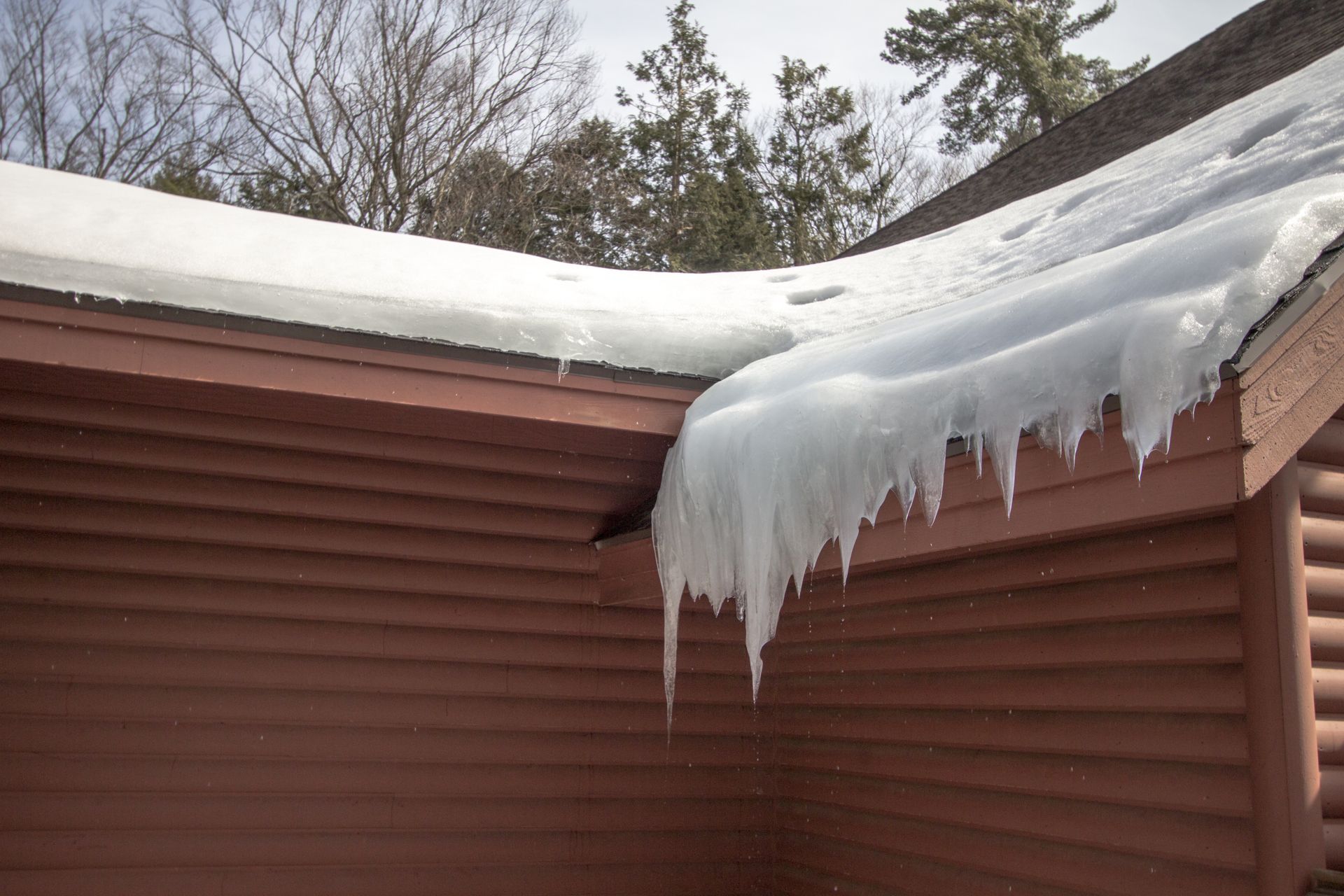
A typical pattern we see goes like this: Year 18-19 of an asphalt shingle roof's life brings a $300-500 repair for a few missing shingles or a small leak. Nothing major, and the repair seems to solve the problem. Six months later, another leak appears in a different area—another $400-600 repair. The following winter, ice dams cause water intrusion—$800-1,200 to address the immediate problem.
Within 12-18 months, these "minor" repairs add up to $2,000-3,000 or more. Each repair is a band-aid on a failing system. You're not actually fixing the underlying problem—your roof has simply reached the end of its lifespan—but you keep paying hoping to squeeze out just a bit more time.
Here's the hard truth: those repair costs don't reduce what you'll eventually pay for replacement. They're pure additional expense on top of the inevitable replacement cost.
The Compounding Problem
Emergency repairs create their own issues. When you patch a leak or replace a section of shingles on an aging roof, you're creating a system with materials of different ages and conditions. Newer patches may last several years while surrounding areas continue deteriorating, leading to more leaks in adjacent areas.
This is why experienced contractors like R.L. Roofing will honestly tell you when repairs no longer make financial sense. If we're patching the same roof multiple times in a short period, or if repairs are costing more than 25% of a replacement, continuing with repairs is throwing money away.
Interior Damage: The Expensive Surprise
Roof leaks don't just damage roofing materials—they cause cascading problems throughout your home that become exponentially more expensive the longer they continue.
Water Damage Progression
When water gets past your shingles, it doesn't stop at the roof deck. It follows the path of least resistance downward, causing damage at every level: saturating attic insulation (which loses R-value when wet and may need complete replacement), rotting roof decking and structural framing, staining and damaging drywall ceilings and walls, ruining paint and creating unsightly discoloration, and creating conditions for mold and mildew growth.
A small leak that goes undetected for even a few months can require $3,000-8,000 in interior repairs beyond the roof work itself. Mold remediation alone often costs $2,000-5,000 if the problem gets severe.
The Structural Impact
The most expensive damage is structural. When roof decking rots from prolonged water exposure, it needs replacement before new roofing can be installed. What should have been a straightforward $10,000-12,000 roof replacement becomes a $15,000-18,000 project because extensive decking must be replaced.
In severe cases, water can damage rafters and roof framing. We've seen situations where homeowners delayed replacement so long that structural repairs added $10,000-20,000 to the project cost—all completely avoidable if they'd replaced the roof when it first showed clear signs of failure.
Decreased Home Value and Marketability
An aging roof doesn't just cost you money in repairs and insurance—it actively reduces your home's value and makes it harder to sell.
Impact on Home Appraisals
When appraisers evaluate your home, roof condition significantly affects the final valuation. An old roof in poor condition can reduce your home's appraised value by $10,000-25,000 or more, depending on the home's overall value and local market conditions.
This matters even if you're not planning to sell. If you want to refinance your mortgage or take out a home equity line of credit, the appraisal determines how much equity you can access. A roof that needs replacement directly reduces your borrowing power.
Negotiating Leverage for Buyers
If you do sell with an old roof, expect buyers to use it as a major negotiating point. In our experience working with homeowners throughout Chesterton and Portage, buyers typically demand one of three things: a price reduction equal to or greater than replacement cost (often 120-150% of actual replacement cost because buyers build in a cushion), a seller-paid roof replacement before closing, or repair credits at closing.
You'll end up paying for the roof replacement anyway—but now you're doing it under pressure, possibly with less time to shop for contractors, and without the benefit of enjoying the new roof yourself.
Days on Market
Homes with older roofs sit on the market longer. Buyers looking at properties in Michigan City or Valparaiso immediately factor roof replacement into their mental calculations when they see an aging roof. Many simply move on to homes that won't require immediate major expenses.
Every extra month on the market costs money in continued mortgage payments, utilities, insurance, and property taxes—easily adding up to thousands in carrying costs.
Energy Waste from Aging Roofs
Old roofs aren't just ugly or leak-prone—they're inefficient, costing you money every single month through wasted energy.
Lost Insulation Performance
As roofs age, even small leaks can saturate attic insulation. Wet insulation loses its R-value—its ability to resist heat transfer. In Northwest Indiana's cold winters, this means your furnace works harder to maintain comfortable temperatures. In summer, heat penetrates more easily, forcing your air conditioner to run more frequently.
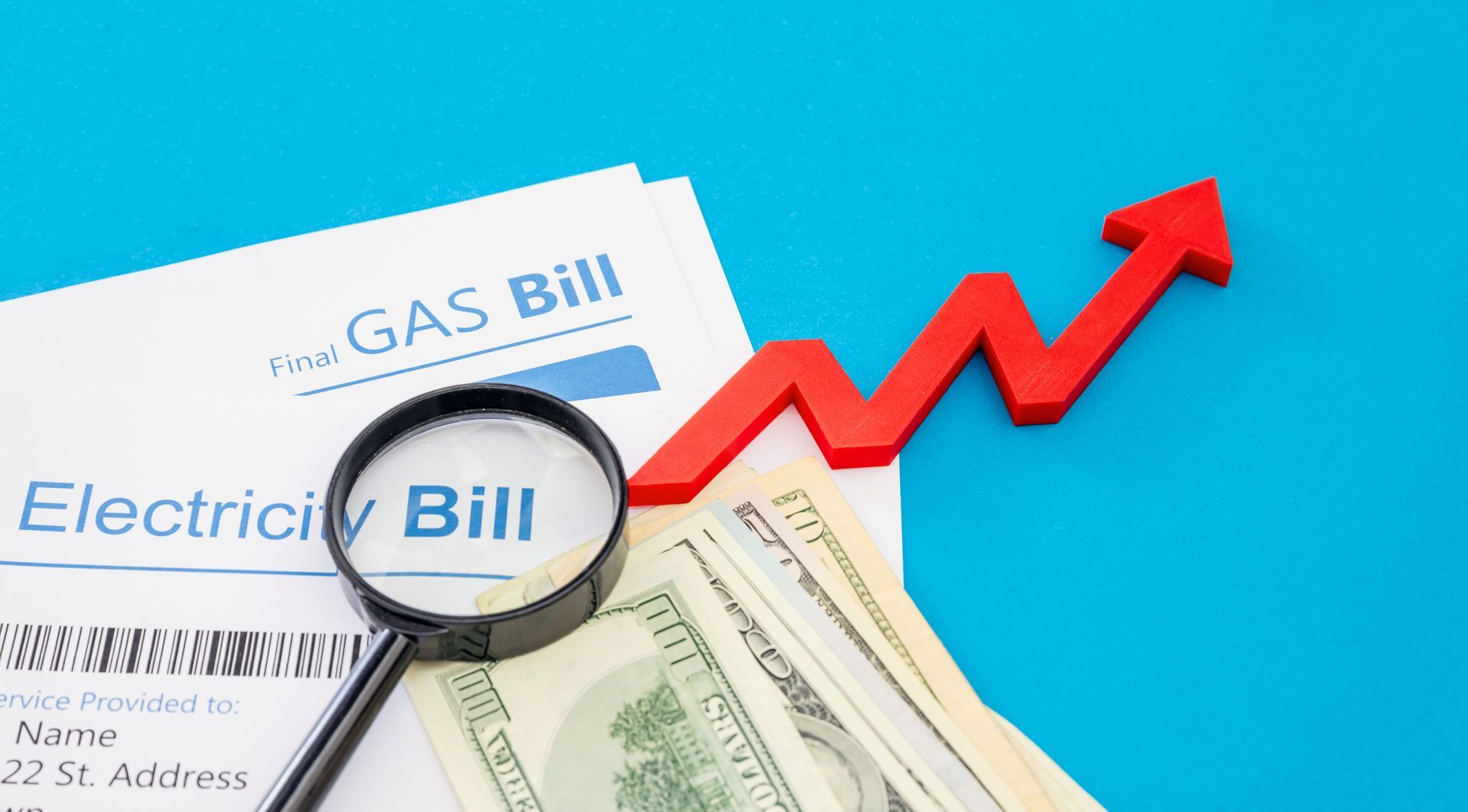
A roof that's allowed moisture into the attic can increase heating and cooling costs by 15-25%. For an average home, that's $300-600 per year in unnecessary energy expenses.
Ventilation Deterioration
Proper attic ventilation is crucial for temperature regulation and preventing ice dams. As roofing systems age, ventilation components often fail or become blocked. Ridge vents crack, soffit vents get clogged, and the entire ventilation system becomes less effective.
Poor ventilation doesn't just waste energy—it accelerates shingle deterioration and increases ice dam formation during our harsh winters. It's a vicious cycle that gets worse every year you delay replacement.
The Efficiency Gap
Modern roofing systems are significantly more efficient than roofs installed 20+ years ago. Improvements include better underlayment materials with improved water resistance and air sealing, advanced ventilation designs that optimize airflow, ice and water shield in vulnerable areas, and reflective shingle technologies that reduce heat absorption.
When you delay replacement, you're paying extra every month for inferior performance. Over three to five years, those wasted energy costs easily exceed $1,500-3,000—money you could have put toward a more efficient roof.
The Peace of Mind Factor
While harder to quantify, the stress and inconvenience of managing an aging roof has real costs.
Every rainstorm brings anxiety. Will this be the one that causes a leak? Every winter weather event raises concerns about ice dams. You can't fully relax in your own home because you're constantly worried about when—not if—your roof will fail.
When leaks do occur, they create major disruptions. Emergency repairs mean contractors in your home on short notice. Interior damage means living with stained ceilings, moving furniture, dealing with restoration work. Water damage requires constant monitoring to ensure mold doesn't develop.
Time spent managing these problems, coordinating multiple contractors, filing insurance claims, and dealing with the aftermath has value too—value that disappears into the black hole of trying to extend a roof past its useful life.
The Real Math: Prevention vs. Delay
Let's look at realistic numbers for a typical Northwest Indiana home with a roof approaching 20 years old. We'll compare the cost of proactive replacement versus delaying for three more years.
Proactive Replacement at Year 20
Quality roof replacement: $12,000-15,000 depending on size and materials. You choose your contractor, schedule the work at your convenience, and enjoy warranty coverage. Your insurance rates stay in the preferred market range. No emergency repairs. No interior damage. No energy waste. Total five-year cost: $12,000-15,000.
Delaying Replacement Until Year 23
Here's what those three extra years actually cost: increased insurance premiums of $500/year × 3 years equals $1,500. Emergency repairs over three years total $2,500-4,000. Interior water damage from leaks costs $3,000-6,000. Additional energy costs from poor insulation/ventilation equal $400/year × 3 years, totaling $1,200. Finally, the roof replacement itself still costs $12,000-15,000 (often more due to needed decking repairs).
Total cost: $19,200-27,700—an additional $7,200-12,700 spent for three extra years on a failing roof.
And this assumes you don't face a policy non-renewal forcing you into high-risk insurance, which could add thousands more annually.
When Is the Right Time to Replace?
So when should you actually replace your roof? Watch for these indicators that it's time to act:
Your roof is approaching 20 years old—even if it looks okay, you're entering the high-risk zone for insurance problems and increased failure rates. You've had two or more repairs in the past 12-18 months—at this point, you're throwing good money after bad. Granule loss is visible—check gutters and downspouts for accumulating granules, a sign shingles are deteriorating. Curling, cracking, or missing shingles are widespread—isolated damage can be repaired, but widespread problems indicate system failure. Your insurance company has notified you of pending rate increases or coverage changes due to roof age.
When you see these signs, don't wait. The financial case for timely replacement is overwhelming.
How R.L. Roofing Helps Homeowners Make Smart Decisions
At R.L. Roofing, we've built our reputation over 40 years by giving homeowners honest assessments. We won't recommend replacement if repairs make sense, but we also won't tell you to keep patching a roof that's reached the end of its useful life.
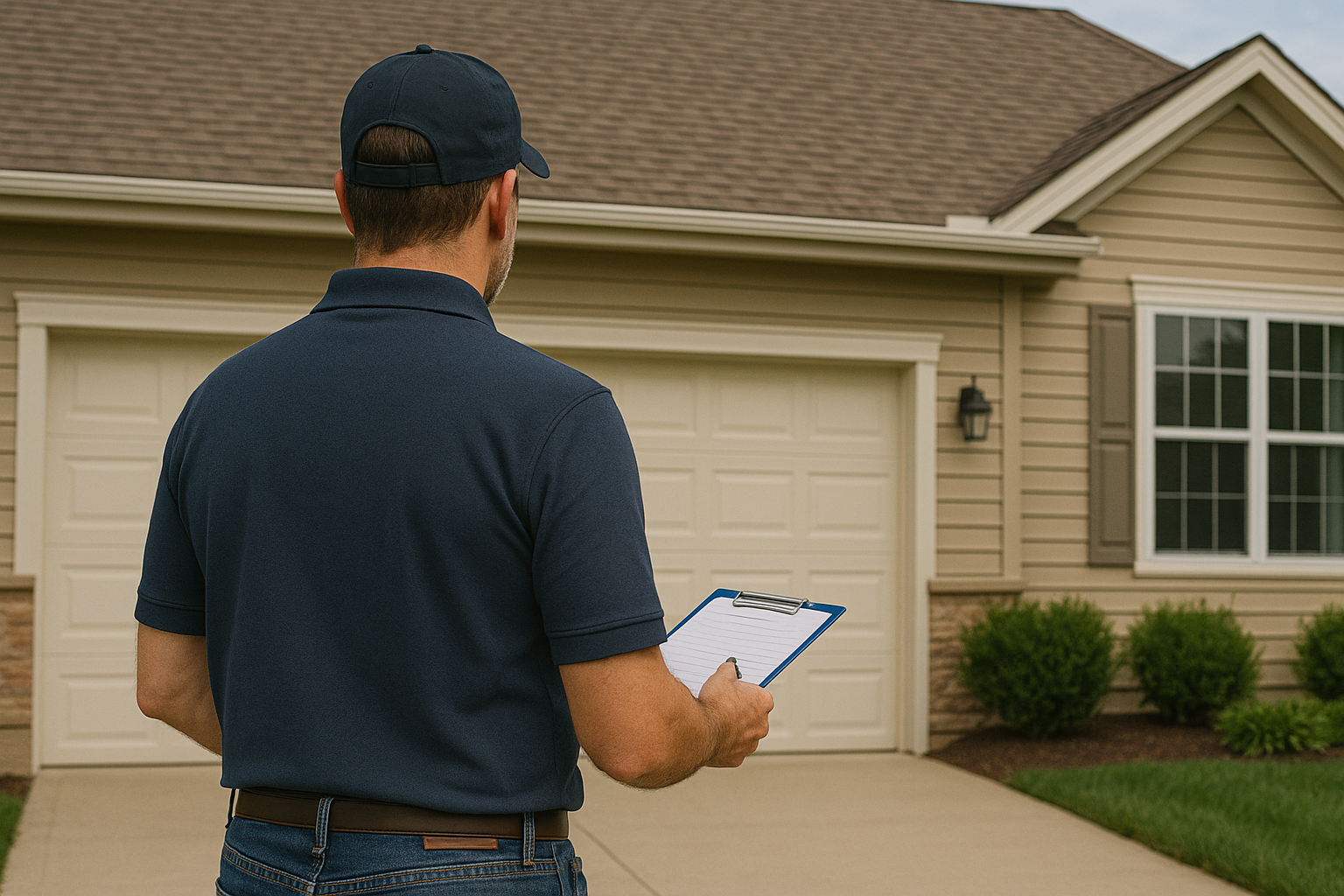
When you schedule a free inspection with us, we provide a thorough evaluation of your roof's condition, honest assessment of remaining lifespan, clear explanation of your options (repair vs. replace), transparent pricing with no high-pressure sales tactics, and information about financing options to make replacement affordable.
We understand roof replacement is a major investment. Our goal is to help you understand when that investment makes financial sense—and often, acting sooner rather than later is the most cost-effective choice.
Making Replacement Affordable
The biggest reason homeowners delay replacement is the upfront cost. We get it—$12,000-15,000 is significant. But waiting usually makes the total cost higher, not lower.
R.L. Roofing offers flexible financing options that make quality roof replacement accessible without depleting your savings. Monthly payments can often be structured to cost less than the combined expense of emergency repairs, increased insurance premiums, and wasted energy you'd pay by delaying.
We also help homeowners navigate insurance claims when storm damage is involved. Many homeowners don't realize they have valid claims for wind or hail damage. We provide documentation and work with adjusters to ensure you get fair treatment.
The Bottom Line
Delaying necessary roof replacement feels like saving money, but the math tells a different story. Between insurance premium increases, emergency repairs, interior damage, decreased home value, and wasted energy, homeowners who wait too long typically spend $7,000-15,000 more than if they'd replaced the roof when it first showed clear signs of age.
The cheapest roof replacement is the one you plan ahead for—when you can choose your contractor, schedule the work at your convenience, avoid emergency situations, and prevent the cascading costs that come with a failing roof.
If your Northwest Indiana roof is approaching 20 years old or showing signs of wear, don't wait for insurance problems or emergency leaks to force your hand. Take control of the situation now while you still have options.
Get Your Free Roof Assessment
Contact R.L. Roofing today at 219-872-8281 or request a call back for a comprehensive, no-obligation roof assessment. We'll evaluate your roof's current condition, provide an honest assessment of its remaining lifespan, explain your options clearly without pressure, and give you transparent pricing so you can make an informed decision.
We serve homeowners throughout Northwest Indiana and Southwest Michigan, including Michigan City, La Porte, Valparaiso, Chesterton, Portage, and all surrounding communities. Let our four decades of local experience help you make the smartest decision for your home and your budget.
Don't let hidden costs pile up while you wait. Get the facts now and protect both your home and your wallet.