Is It Time to Replace Your Roof? 7 Signs Northwest Indiana, Michiana and Southwest Michigan Homeowners Should Watch For
A roof rarely fails all at once. More often, it gives you small signs over a few seasons, such as a few shingles in the yard after a windstorm or a ceiling stain that keeps coming back.
Knowing what to look for helps you plan a replacement on your own schedule instead of waiting for a leak to force the decision. Here are seven signs worth paying attention to, based on what we see on homes across Northwest Indiana, Michiana and Southwest Michigan.
1. Your Roof Is Approaching the End of Its Expected Service Life
Every roof has an expected service life, and how long it actually lasts depends on the material, the quality of the original installation and the weather it has faced. Architectural shingles, standing seam metal and cedar shake all age differently.
Age alone does not mean your roof needs to be replaced. A well-installed roof in good condition may have years left. But once a roof is approaching the end of its expected life, it deserves a closer look, especially after a hard winter or a severe storm season. If you are not sure how old your roof is, your home purchase paperwork may tell you, and a roofer can usually give you a good estimate during an inspection.
2. Shingles Are Curling, Cracking or Losing Granules
Some of the clearest signs of an aging roof are visible from the ground. Look for shingle edges that are curling up or cupping, shingles with cracks, and bare or dark patches where the protective granules have worn away. You may also find granules collecting in your gutters or at the bottom of your downspouts.
Granules protect asphalt shingles from the sun. As they wear off, shingles dry out and become brittle faster, which makes them more likely to crack or tear in high wind. A few worn spots can be normal on an older roof, but widespread wear across a slope usually means the roof is near the end of its life. The slopes that get the most sun often show wear first.
3. You Are Finding Shingles After Storms
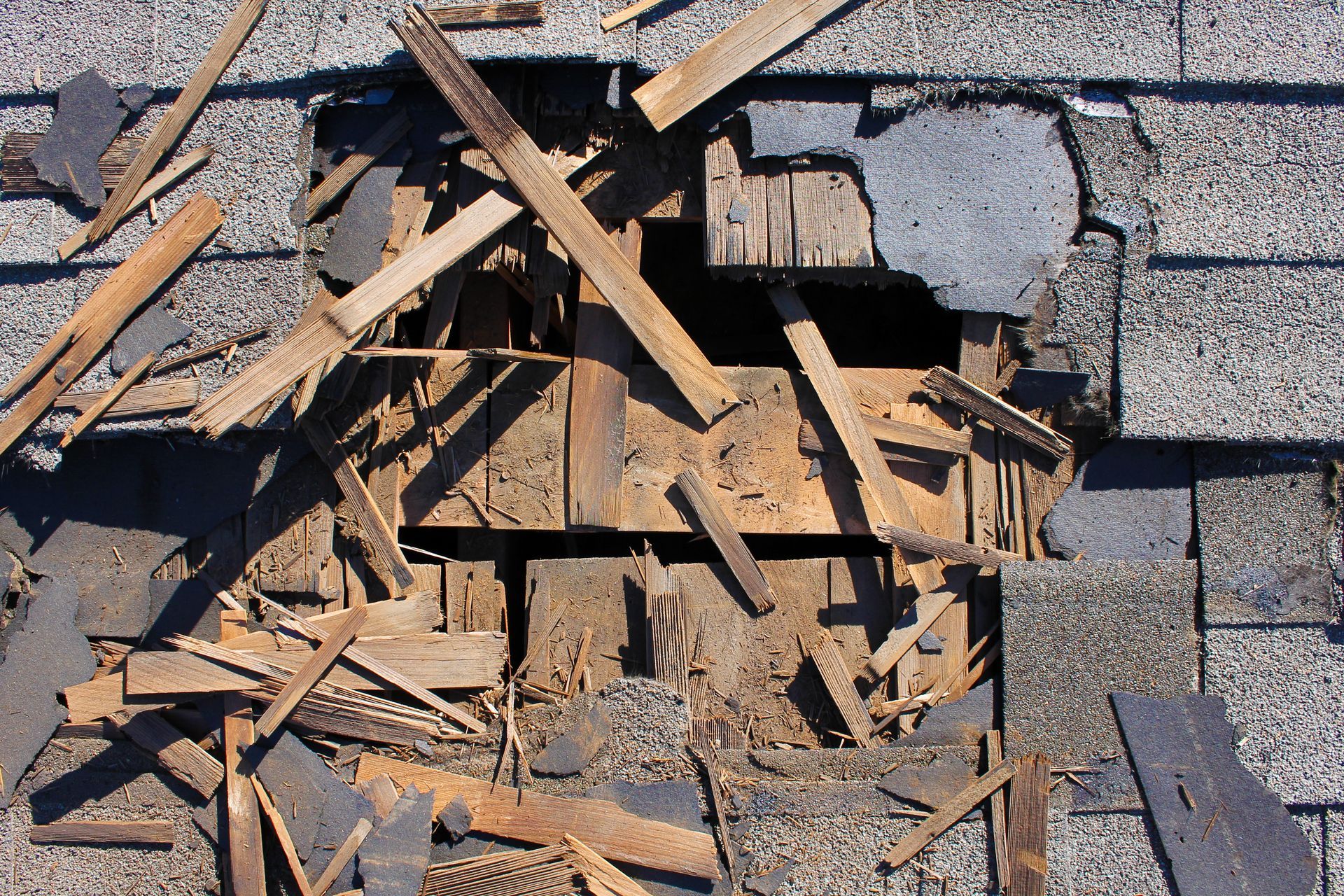
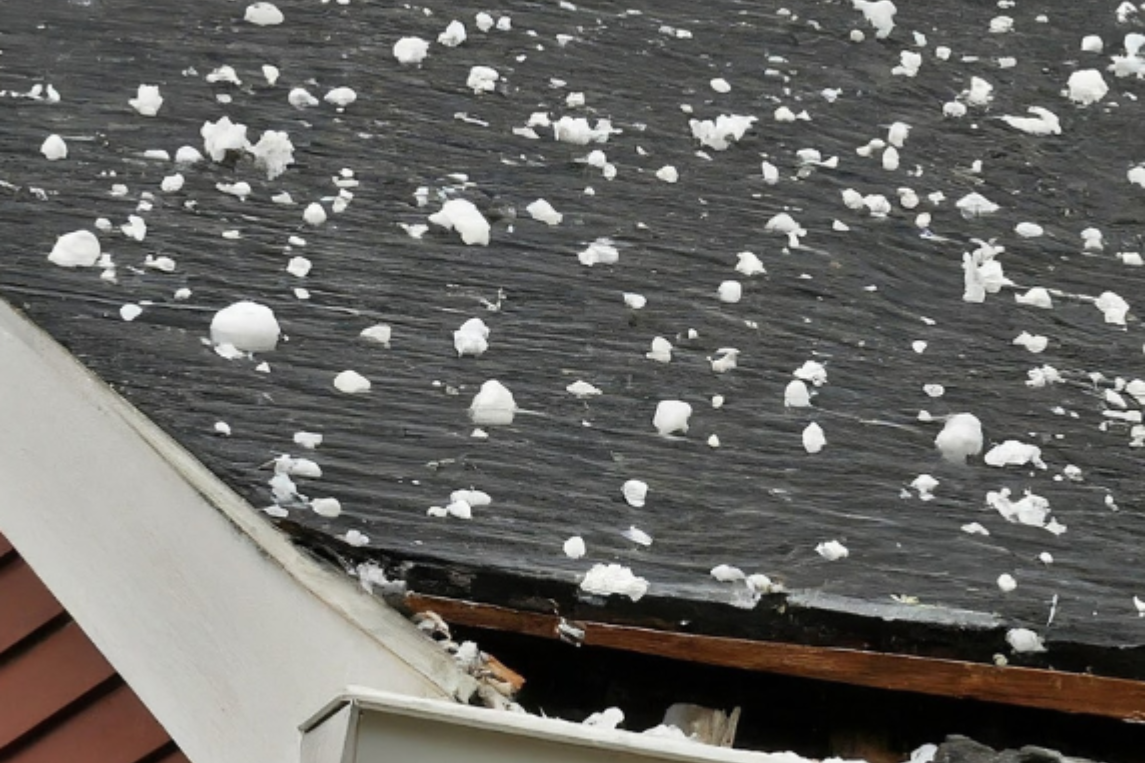
If you are picking up shingles or pieces of shingles from the yard after a windstorm, your roof is telling you something. Much of our service area sees strong wind in every season, with summer thunderstorms and winter storms coming off Lake Michigan. On August 11, 2026, a derecho brought estimated gusts of 100 to 110 mph to parts of northern Lake and Porter counties, according to the National Weather Service.
A newer roof in good condition can usually lose a few shingles and be repaired. On an older roof, missing shingles are often a sign that the seal strips have weakened across the whole roof, and the next storm is likely to take more. When shingles keep coming off in different areas, replacement is usually the more reliable fix. If you are dealing with damage after a major storm, our post on roof damage inspection and insurance claims walks through what to do next.
4. You Are Dealing With Recurring Leaks
A single leak does not automatically mean you need a new roof. A cracked vent boot or a failed piece of flashing can often be repaired, and the roof can go on performing for years.
The difference is whether leaks keep coming back. If you have had the roof repaired and a new leak shows up somewhere else, or the same spot leaks again after every heavy rain or snowmelt, the problem may not be one isolated failure. It may be that the roof system as a whole is wearing out. Water that finds its way in repeatedly can also damage the decking and insulation, which adds to the cost of waiting.
5. Flashing and Roof Penetrations Are Deteriorating
Flashing is the metal that seals the joints where your roof meets something else, including chimneys, walls, valleys, skylights and vent pipes. These are some of the most common places for leaks to start, because they give water the most opportunities to get in.
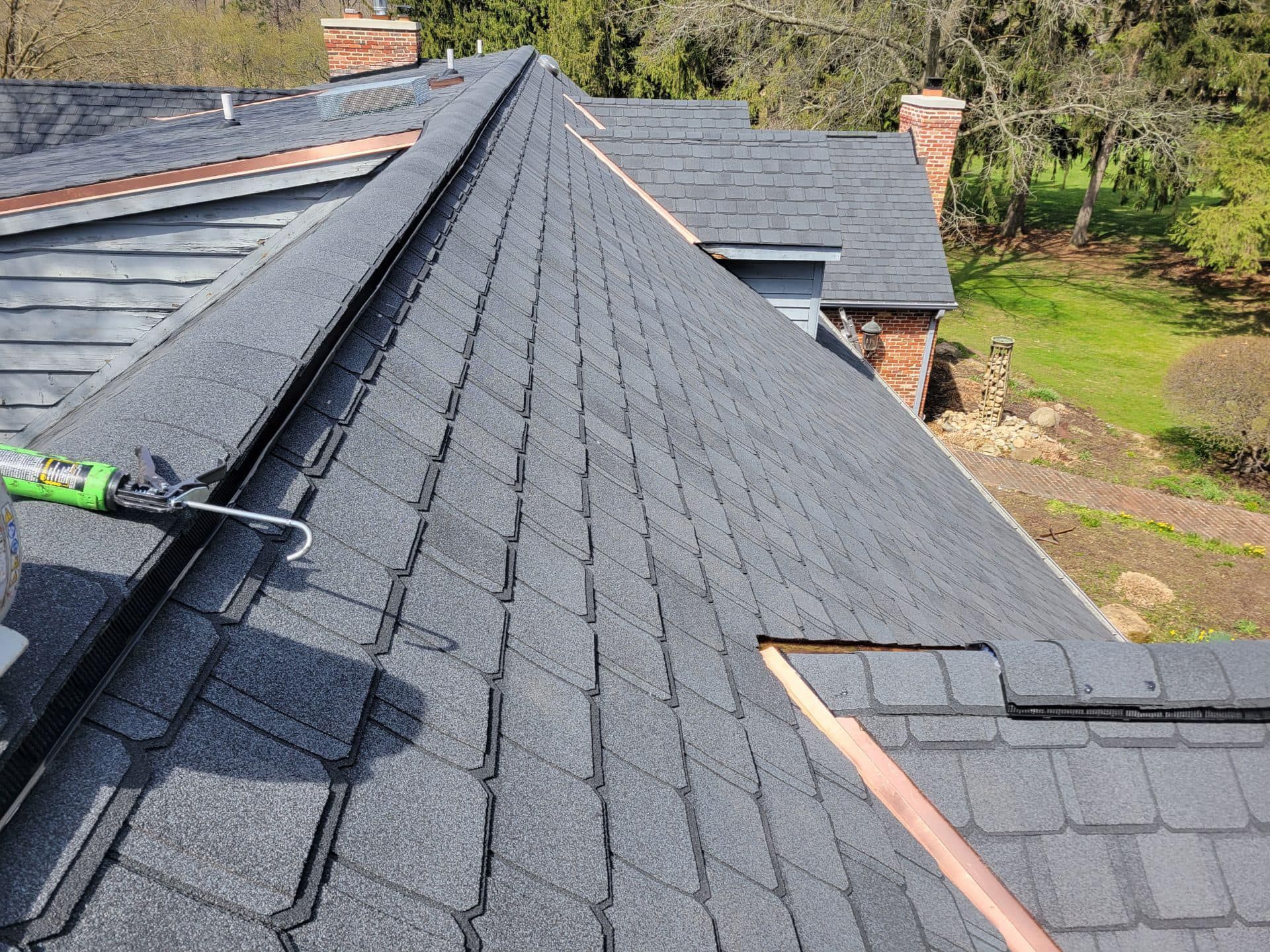
Look for flashing that is rusted, bent, pulling away or covered in layers of roofing cement from past patch jobs. The rubber boots around vent pipes also crack as they age. On an older roof, worn flashing is often a sign that the whole system is aging together. During a replacement, flashing should be replaced rather than reused, so the new roof is sealed properly at every joint.
6. You Are Seeing Signs of Moisture in the Attic
Your attic can tell you a lot about your roof. With a flashlight, look at the underside of the roof deck for dark stains or damp spots. Check the insulation for wet or matted patches, and look for frost on the underside of the deck during cold weather. On a sunny day, daylight showing through the boards is a clear sign of trouble.
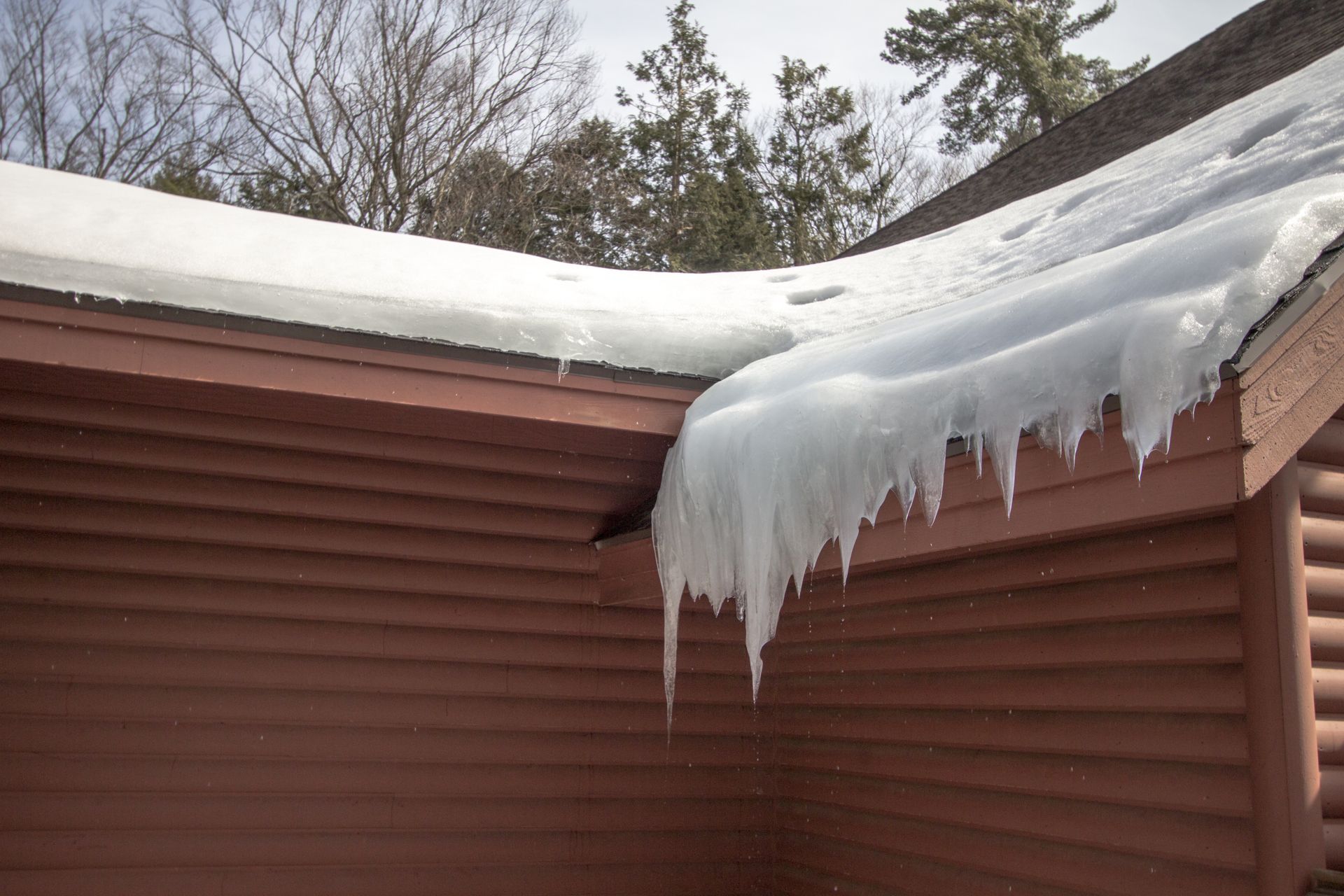
Moisture in the attic is not always a leak. Poor ventilation can trap warm, humid air that condenses on the cold deck in winter, which can lead to mold and rot over time. It can also contribute to ice dams along the eaves. Either way, attic moisture is worth having checked, and a replacement is the right time to correct ventilation so the new roof lasts as long as it should.
7. You Are Repairing the Roof More and More Often
Repairs make sense when a roof is otherwise in good shape. The picture changes when you are calling for repairs every year, or several times a year, and each fix buys a little less time.
At some point, continuing to patch an aging roof stops making financial sense. The money going into repairs could go toward a new roof that comes with a manufacturer's warranty and years of reliable service. Waiting can also lead to interior damage and higher costs down the road, which we cover in the hidden costs of delaying your roof replacement. If you are weighing the numbers, financing options can help make a replacement manageable.
Roof Problems Can Look Different Across Our Service Area
R.L. Roofing has worked on homes across this region from the same Michigan City base since 1985. The signs above show up everywhere we work, but what causes them can vary depending on where you live.
Near the lakeshore. Homeowners in Porter, New Buffalo, Bridgman and St. Joseph often see wind damage first. Gusts off open water work at ridges, rakes and flashing, and winter storms add heavy snow at the eaves. On these homes, shingles lifting at the edges and leaks around flashing are worth watching closely. The same is true in Stevensville, and a few miles inland in Three Oaks, lake-effect snow makes ice dams a regular concern.
In La Porte County. In Michigan City, La Porte and Wanatah, roofs face summer storms, lake-effect snow and repeated freeze-thaw cycles. That mix is especially hard on aging roofs, and granule loss and cracked shingles often show up alongside recurring leaks at the eaves once a roof has been through enough winters.
In Lake County. In Crown Point and Winfield, summer storms are a major factor. The August 2026 derecho brought an EF-2 tornado into Crown Point, according to the National Weather Service. Much of Winfield's housing was built in the late 1990s and 2000s, and Crown Point has added many newer subdivisions, so a lot of original roofs are reaching the age where storm damage and normal wear catch up at the same time.
In Michiana. Mishawaka has older homes near downtown as well as newer development, and roof concerns vary with them. Lake-effect snow does reach St. Joseph County, and older homes with limited attic ventilation are especially prone to ice dams and attic moisture.
Repair or Replace? Start With an Inspection
If you recognize one or two of these signs, the next step is a professional inspection. Some problems really can be solved with a roof repair, and an honest roofer will tell you when that is the case. When the signs start stacking up, a complete roof replacement is usually the better long-term investment.
Replacing a roof can feel like a daunting project, which is why we take time with every homeowner. We will inspect your roof and give you a clear, no-obligation estimate, with everything explained in plain terms. As a CertainTeed ShingleMaster and Master Craftsman contractor, R.L. Roofing can offer the strongest warranty coverage available, and we can help you explore financing if you need it.
Roofing has been part of the Leslie family for generations, and many of our customers have been calling us for years. That comes from doing the work the right way, consistently. Request your free estimate or call 219-872-8281.